Mens Waterproof Boots: How to Choose the Right Pair for Walking, Work and Wet Weather
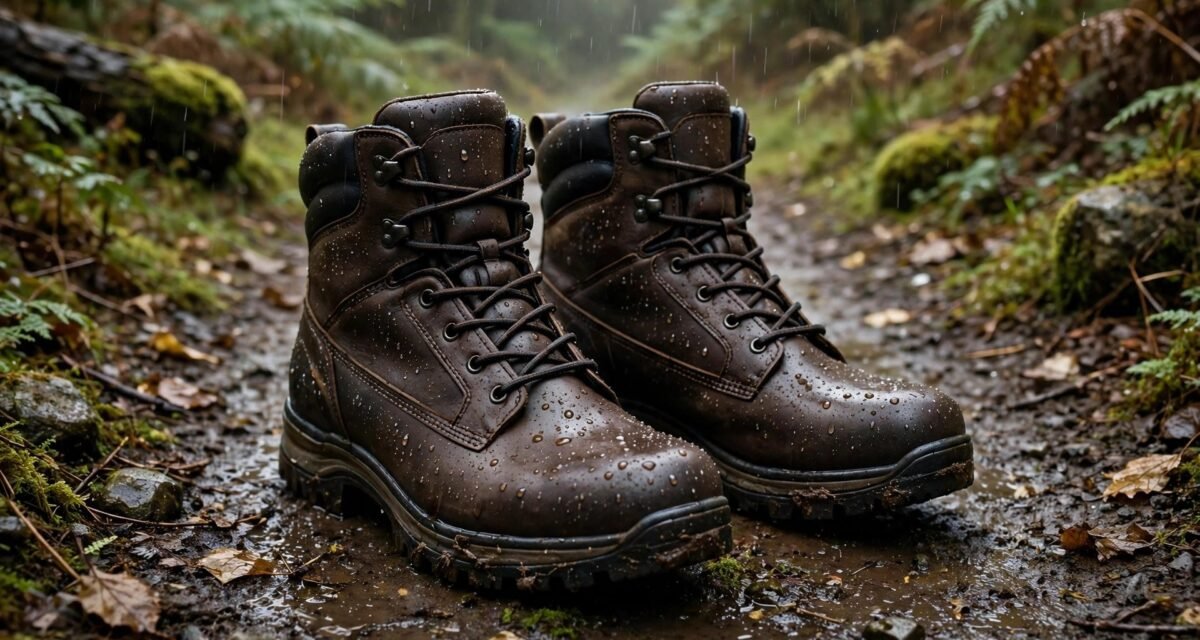
Wet feet can ruin a walk, a working day, or even a short trip to the shops in a downpour. Once water soaks through, it stays with you: socks grow cold, blisters form more easily, and a pleasant outing turns into a long, uncomfortable slog home. Mens waterproof boots exist to solve exactly that problem, but not all waterproof boots are alike. Some are built for mountain paths, some for muddy work sites, and some for everyday city rain. Choosing well means understanding the differences between types, materials and construction, and matching the boot to the ground you will actually walk on.
This guide explains mens waterproof boots in plain language. It covers the main types, how waterproofing really works, the materials you will meet, how to get the fit right, and how to look after boots so they stay waterproof for longer. It is written for walkers, workers and anyone who simply wants dry feet in British weather, and it avoids the jargon that often makes boot shopping harder than it needs to be. By the end, you should be able to walk into a shop or browse online with a clear idea of what to look for and what to avoid.
What Makes a Boot Waterproof
A boot can be described as water resistant or waterproof, and the difference matters. Water resistant usually means the boot will shrug off light rain and damp grass for a while, but it is not designed to stand in water or to cope with prolonged heavy rain. Waterproof, used properly, means the boot is built to keep water out in sustained wet conditions, usually through a combination of treated materials, sealed seams and a waterproof membrane inside the boot. Even then, no boot is invincible: water can enter over the top of a low boot in deep puddles, through worn seams, or through a damaged membrane, so construction and care matter as much as the label.
Most genuinely waterproof boots use a thin membrane, a layer of material with tiny pores that let moisture vapour escape from inside while blocking liquid water from outside. That breathability matters, because feet sweat, and a boot that traps all that moisture will feel clammy even if no rain gets in. Cheaper boots sometimes rely on a coating on the outside alone, which can work for a while but tends to wear off with use and cleaning. A membrane boot, well made and well cared for, generally keeps its waterproofing for far longer, which is why it is worth checking how a boot is constructed rather than trusting a single word on the box.
Seams and closures are the other weak points. Stitched seams can let water through unless they are sealed or covered, and tongues that are only partly attached can let water in from the sides. Look for a gusseted tongue, which is attached along its sides so water cannot easily slip in, and for a design where the upper meets the sole cleanly with no gaps. Laces, eyelets and hooks should feel sturdy rather than flimsy, because a boot that cannot be laced firmly will flex in ways that stress seams and let water find its way in.
The Main Types of Mens Waterproof Boots
Walking and hiking boots are the most familiar type. They are usually mid-height or high, with ankle support, a rugged sole, and a membrane for waterproofing. They suit country paths, hills, muddy fields and long days on foot. Within this group there is a wide range, from light, flexible boots for gentle trails to stiff, heavy boots for rough mountain ground. The right choice depends on the terrain: a light boot is comfortable on easy paths but may feel unstable on rocky ground, while a heavy boot gives support on rough terrain but can feel tiring on a flat, easy walk.
Work boots are built for a different job. They often include protective features such as a reinforced toe, puncture-resistant soles, or slip-resistant tread, alongside waterproofing. They suit construction sites, farms, warehouses and outdoor jobs where feet face hazards as well as wet weather. Work boots tend to be heavier and stiffer than walking boots, and they may need a breaking-in period before they feel comfortable. If your job requires safety footwear, check the safety standard your workplace requires before choosing, because a walking boot, however waterproof, may not meet it.
Everyday and city waterproof boots bridge the gap between walking boots and ordinary shoes. They are often lower cut, lighter, and smarter looking, designed for commuting, dog walking, school runs and general wet weather rather than for mountain paths. Chelsea boots and short lace-up boots with waterproof construction fall into this group. They will keep feet dry in rain and puddles, but they offer less ankle support and less grip on mud than a proper walking boot, so they are best for pavements, parks and light trails rather than for serious off-road walking.
Wellies and rubber boots are a separate category worth mentioning. Made from rubber or a similar waterproof material, they are fully waterproof in a way that membrane boots are not, and they suit deep mud, farm work, festivals and standing water. Their weakness is breathability and support: they can feel hot, they offer little ankle support, and they are not ideal for long walks. For short, very wet jobs they are excellent, but for a long walk in changeable weather a membrane walking boot is usually the more comfortable choice.

Materials and Waterproofing Explained
Leather remains a popular choice for waterproof boots, and for good reason. Full-grain leather is tough, moulds to the foot over time, and can be treated with wax or conditioner to maintain its water resistance. Leather boots tend to be heavier and need more care than synthetic boots, and they usually need breaking in, but many walkers prefer their durability and their classic look. Nubuck and suede are softer forms of leather that look smart but need more careful treatment to stay waterproof, and they stain more easily in mud, so they suit lighter use rather than the muddiest conditions.
Synthetic materials, including modern fabrics and microfibres, make for lighter boots that often need little or no breaking in. They dry faster than leather, they are often easier to clean, and they can be very comfortable straight out of the box. Their weakness is long-term durability: a well-made leather boot, looked after, can often be resoled and kept for many years, while a synthetic boot is more likely to be replaced when its sole or upper wears out. For occasional walkers, that trade-off is often worthwhile, while frequent walkers may prefer leather for its longevity.
Many boots combine materials, using leather for durability in high-wear areas and fabric panels for lightness and flexibility. This hybrid approach is common in modern walking boots, and it works well when the construction is sound. Whatever the outer material, the waterproof membrane inside does much of the work, and the outer treatment, whether wax, spray or factory coating, is the first line of defence. Reproofing the outer material at intervals, using a product suited to that material, helps water bead on the surface rather than soaking in and overwhelming the membrane.
Soles, Grip and Ankle Support
The sole is easy to overlook when shopping, but it decides how safe and comfortable a boot feels on wet ground. Look for deep, well-spaced lugs, the raised blocks on the sole, which grip mud and shed it rather than clogging up. A sole with a defined heel brake, a sharper edge at the back of the heel, helps on steep descents, while a softer rubber compound grips wet rock and pavements better than a very hard compound, though it may wear faster. If you walk mainly on pavements, a shallower, harder-wearing tread may suit you better than an aggressive mountain tread.
Ankle support is another key choice. High boots that rise above the ankle help prevent twists on uneven ground and keep out mud, water and debris. Mid-height boots offer a compromise, giving some support while feeling lighter and freer. Low boots feel most like shoes and suit easy paths, but they offer little protection against a turned ankle or against water splashing over the top. If you carry a heavy pack, walk on rough ground, or have weak ankles, the extra support of a higher boot is worth its weight. If you walk on flat, easy ground, a lower boot may be more comfortable.
Weight matters more than many shoppers expect. A heavy boot feels fine for the first mile and tiring by the fifth, especially if you are not used to it. Try to balance weight against support and durability: the lightest boot is not always the best boot, but neither is the heaviest. Consider the longest walk you realistically plan to do, and choose a boot that will still feel comfortable at the end of it, not just at the start.
Getting the Fit Right
Fit is the single most important factor in choosing waterproof boots, and it is worth taking time over it. Try boots on later in the day, when feet are slightly swollen, and wear the socks you will actually walk in, whether thick walking socks or thinner everyday socks. Your toes should have room to wiggle without pressing against the front when you walk downhill, and your heel should stay in place without lifting excessively with each step. A boot that is too tight will cause blisters and cold feet, while a boot that is too loose will let your foot slide, which also causes blisters and makes the boot feel unstable.
Lacing technique can transform the fit. Lace firmly but not painfully over the foot, and use the top hooks to lock the ankle in place without cutting off circulation. If your heel slips, try a heel-lock lacing method, where the lace is looped through the top eyelets to hold the heel down. If the boot feels tight across the top of the foot, try skipping an eyelet or loosening that section. Small adjustments like these can make the difference between a boot that rubs and a boot that disappears on your foot, which is exactly what a good boot should do.
Breaking in matters, especially for leather boots. Wear new boots around the house, then on short walks, before taking them on a long day out. This lets the leather soften and mould to your foot, and it lets you discover any rubbing spots while you are still close to home. Synthetic boots usually need less breaking in, but a short trial walk is still wise. Never start a long walk, a holiday, or a working week in brand-new boots you have not tested, because blisters discovered miles from home are far harder to deal with.

Choosing for Your Main Use
For gentle countryside walks and dog walking, a comfortable mid-height waterproof walking boot with a membrane and a moderately rugged sole is usually ideal. It will cope with mud, wet grass and puddles, support your ankles on uneven paths, and still feel comfortable after a couple of hours. Look for a boot that is easy to clean, because muddy dog walks mean frequent cleaning, and a boot that is a chore to clean will soon be neglected.
For hill walking and rougher terrain, prioritise support, grip and durability over lightness. A stiffer boot with a deep tread, a protective toe rand, and a high ankle will serve you better on rocky, steep or boggy ground. Check that the boot works with your socks and any gaiters you use, because a boot that lets in water over the top in boggy ground defeats its own waterproofing. Gaiters, which cover the gap between boot and trouser, are a worthwhile addition for very wet or boggy walks.
For work, start with the safety requirements of your job, then add waterproofing and comfort. A boot that meets the required safety standard, fits well, and keeps water out will serve you far better than a fashionable boot that fails on safety or comfort. Consider how long you will be on your feet, whether you stand on concrete or on mud, and whether you need insulation for cold conditions. Insulated waterproof boots exist for cold work, and they are worth considering if you work outdoors through winter.
For everyday city wear, a smarter waterproof boot or waterproof shoe may be the better choice. Look for a boot that looks at home with your usual clothes, that is comfortable for standing and walking on pavements, and that has a sole that grips wet pavements and station floors. A heavy mountain boot worn to the office will feel out of place and tiring, while a light city boot worn on a mountain will feel inadequate, so matching the boot to the setting is part of choosing well.
Caring for Waterproof Boots
Care keeps waterproof boots working. After a muddy walk, brush off dried mud, wipe the boots clean, and let them dry naturally away from direct heat, which can crack leather and damage membranes. Stuffing boots with newspaper helps them hold their shape and absorb moisture from inside, and removing the insoles to dry separately speeds the process. Never dry boots on a radiator or with a hairdryer on a high setting, because rapid heat damages both leather and synthetic materials.
Reproofing is the other key habit. When water stops beading on the surface and starts soaking into the outer material, it is time to reproof, using a product suited to leather, nubuck or fabric as appropriate. Clean the boots first, apply the treatment evenly, and let them dry fully before wearing them. Reproofing does not replace a damaged membrane, but it restores the outer defence that keeps the membrane from being overwhelmed, and it extends the life of the boot considerably.
Store boots in a cool, dry place, upright and not squashed under other items. If you will not wear them for a while, clean and reproof them first, and consider using boot trees or stuffing to hold their shape. Check soles and seams periodically for wear, and have worn soles replaced by a cobbler where possible, especially for leather boots that are otherwise in good condition. A resole is often far cheaper than a new pair and keeps a well-broken-in boot in service for years longer.

Common Mistakes to Avoid
One common mistake is buying on looks alone. A boot that looks rugged may have a thin sole, a poor membrane, or seams that will leak in sustained rain, while a plainer boot may be far better made. Read the construction details, check the materials, and try the boot on rather than trusting appearance. Another mistake is buying a size too small because the boot feels snug in the shop. Feet swell during a walk, and a boot that feels snug at rest can feel painfully tight after an hour on foot, so leave room for swelling and for thick socks.
A further mistake is assuming that waterproof means maintenance-free. Even the best boots need cleaning and reproofing, and neglecting them shortens their waterproof life dramatically. Similarly, wearing low boots in deep water and then blaming the boot is unfair: no low boot can keep water out if water flows over its top, so choose the height for the conditions. Finally, avoid wearing brand-new boots on a long walk without breaking them in, and avoid ignoring small rubbing spots, because small problems on a short walk become serious blisters on a long one.
Frequently Asked Questions
Are waterproof boots really fully waterproof?
A well-made membrane boot keeps water out in sustained rain and wet ground, but water can still enter over the top in deep water, through damaged seams, or if the membrane is worn. Good construction and regular care make a large difference.
Should I choose leather or synthetic boots?
Leather is durable, moulds to the foot, and can often be resoled, but it is heavier and needs breaking in and care. Synthetic boots are lighter, need less breaking in, and dry faster, but may not last as long under heavy use.
How do I know if a boot fits correctly?
Wear your walking socks, try boots later in the day, and check that your toes have wiggle room without pressing the front on a downhill slope, while your heel stays in place without lifting excessively.
How often should I reproof my boots?
Reproof when water stops beading on the surface and starts soaking in, rather than on a fixed schedule. Frequency depends on use, weather and material, but regular walkers will usually need to reproof several times a year.
Can I wear walking boots for work?
Only if they meet your workplace safety requirements. Walking boots may be waterproof and comfortable, but they may lack the protective toe, sole or other features that safety footwear must provide.
Conclusion
Mens waterproof boots are not a single product but a family of boots for different ground, different work and different weather. The best pair for you is the one that matches your main use, fits your feet properly, and is built with a genuine membrane, sealed seams and a sole suited to your ground. Take time over fit, break boots in before a long walk, and look after them with cleaning and reproofing. Do that, and your boots will do what they are made for: keeping your feet dry, comfortable and supported, whatever the British weather has in store.

magazinesupdate
Sharing practical guides, news and insights on Magazines Update.