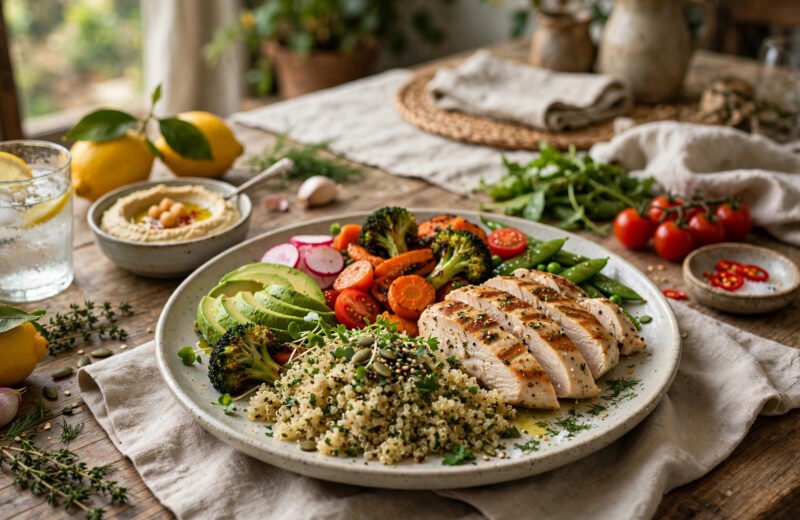
Healthy Nutrition Plan: How to Build Balanced Weekly Meals
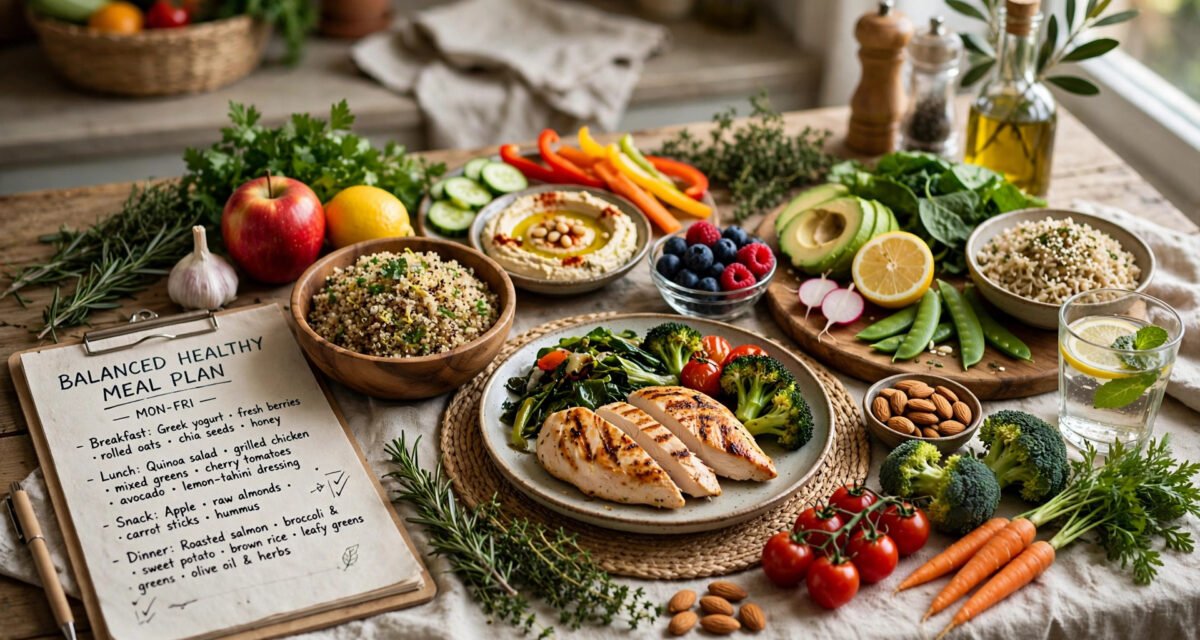
Many people like the idea of eating better but feel stuck before they even begin. There is so much advice floating around that it can be hard to know what a sensible day of eating actually looks like. A healthy nutrition plan cuts through that confusion. It is not a strict diet and it is not a list of banned foods. It is simply a loose plan for your week that helps you eat a good balance of foods, most of the time, without thinking too hard about every single meal.
This guide explains how to build a healthy nutrition plan in plain, everyday language. It covers the main food groups, how to plan breakfasts, lunches and dinners across a week, how to handle snacks and drinks, and how to shop in a way that makes the plan easy to stick to. It also leaves room for real life, because a plan that collapses the moment you eat out with friends is not a plan worth having.
Quick Takeaways
- A healthy nutrition plan is a flexible weekly guide, not a strict diet with forbidden foods.
- Build most meals around the main food groups: fruit and vegetables, starchy foods, protein foods, and dairy or alternatives.
- Plan breakfasts, lunches and dinners for the week ahead so you are not deciding when you are hungry and tired.
- Choose snacks that fill you up, such as fruit, yoghurt, nuts or a small handful of popcorn, rather than grazing all day.
- Drink water regularly through the day and keep sugary drinks as an occasional extra.
- A written shopping list based on your plan saves money and stops impulse buys creeping in.
- Leave room for treats and meals out. Flexibility is what makes a plan last.
What a Healthy Nutrition Plan Actually Is
A healthy nutrition plan is a simple framework for how you eat across a typical week. Instead of judging each meal on its own, you look at the overall pattern. Are you eating a wide mix of foods? Do most of your meals include vegetables or fruit? Are you choosing whole, everyday foods more often than heavily processed ones? If the answer to those questions is yes most of the time, your plan is doing its job.
It also helps to think about what a plan is not. It is not about perfection, and it is not about cutting out whole food groups without a reason. It is not a short burst of effort before a holiday either. A good plan is boring in the best possible way: steady, varied and easy to repeat week after week. Small habits done most days matter far more than a dramatic effort done once.
Your plan should also fit your real life. A plan built for someone who loves cooking from scratch will not suit someone who gets home late and needs quick meals. Both people can eat well. The plan just needs to match the time, budget and tastes of the person following it, and it should be built around foods you genuinely enjoy.
The Main Food Groups in Plain Words
Balanced eating gets much easier once you understand the main food groups and what each one does for you. You do not need to memorise anything complicated. Think of your plate as a mix of the groups below, with the biggest share given to vegetables, fruit and starchy foods.
Fruit and Vegetables
Fruit and vegetables bring colour, fibre and a wide range of vitamins to your meals. Aim to include them at most meals and as snacks too. Fresh, frozen, tinned in natural juice and dried options all count, so use whatever suits your budget and your cupboard. Variety matters more than any single so-called superfood, so mix up the colours on your plate across the week.
Starchy Foods
Bread, potatoes, rice, pasta, oats and other cereals give you energy and help you feel full. Where you can, choose wholegrain versions such as wholemeal bread, brown rice and wholewheat pasta, as they contain more fibre. Starchy foods make a sensible base for most meals, from porridge at breakfast to potatoes alongside an evening meal.
Protein Foods
Protein foods include meat, fish, eggs, beans, lentils, chickpeas, nuts and seeds. They help your body grow and repair itself, and they make meals satisfying. Try to vary your sources across the week: oily fish such as salmon or mackerel now and then, eggs for quick meals, and plant-based options like lentils and beans, which are filling, affordable and full of fibre.
Dairy and Alternatives
Milk, cheese, yoghurt and fortified alternatives provide calcium and other useful nutrients. Everyday choices like plain yoghurt and milk on cereal fit easily into a healthy nutrition plan. If you choose plant-based alternatives, look for ones that are fortified and unsweetened where possible.
Oils, Spreads and Treat Foods
A small amount of oil or spread is part of normal cooking, and foods like cakes, biscuits, crisps and chocolate can still have a place in your week. The key is portion and frequency. These foods are best enjoyed in smaller amounts and not at every meal, so they stay a treat rather than becoming the foundation of your diet.

How to Plan a Week of Meals
Planning sounds like a chore, but it is the single habit that makes healthy eating happen almost by itself. Spend a short while once a week sketching out your meals. You do not need a detailed spreadsheet. A simple list of dinners for the week, plus rough ideas for breakfasts and lunches, is enough to guide your shopping and stop the daily “what shall we eat” debate.
Planning Breakfasts
Breakfast sets the tone for the day. Reliable options include porridge with fruit, wholegrain toast with eggs, or plain yoghurt with berries and a sprinkle of oats. Keep two or three easy breakfasts in rotation so mornings run on autopilot. If you are never hungry first thing, a later morning snack of fruit or yoghurt is a perfectly reasonable alternative.
Planning Lunches
Lunch is where many plans fall apart, because it often happens away from home or between tasks. Leftovers from dinner are the easiest healthy lunch there is, so cook a little extra in the evening. Sandwiches on wholemeal bread with salad and a protein filling, soups, and grain-based salads with beans or cheese all travel well and keep you full through the afternoon.
Planning Dinners
For dinners, think in themes rather than fixed recipes. You might plan a pasta night, a curry night with rice and vegetables, a fish night, a traybake night and a stir fry night, with room to swap days around. Batch cooking helps too: a big pot of chilli, stew or soup gives you tonight’s dinner and tomorrow’s lunch, and a portion for the freezer on a busy day.

Snacks That Support Your Plan
Snacks are not the enemy of a healthy nutrition plan. Planned snacks can stop you arriving at a meal so hungry that you overeat or reach for the quickest thing going. The trick is to choose snacks that give you something useful, like fibre, protein or fluids, rather than snacks that leave you hungry again ten minutes later.
Good everyday options include a piece of fruit, a small pot of plain yoghurt, a handful of unsalted nuts or seeds, vegetable sticks with hummus, a slice of malt loaf, or plain popcorn. Keep these where you can reach them easily, at eye level in the fridge or in a desk drawer, and keep the biscuit tin a little more effort to get to. Small bits of food design like this quietly shape your habits.
It also helps to notice why you are snacking. Genuine hunger deserves food. Boredom, stress and habit are better answered with a short walk, a glass of water or a change of scene. You do not need to get this right every time. Simply pausing to ask the question makes mindless grazing much less likely.
Hydration: The Part People Forget
What you drink is part of your nutrition plan too. Water is the best everyday choice, and most people feel better when they drink regularly through the day rather than waiting until they are very thirsty. Keeping a bottle of water where you work or study makes this almost automatic.
Tea and coffee can fit into a healthy routine, but watch what goes into them. Sugary fizzy drinks, energy drinks and large amounts of fruit juice add a lot of sugar without filling you up, so they are best kept as occasional extras rather than daily habits. If plain water feels dull, try it with a slice of lemon, cucumber or a handful of berries for flavour.
Shopping List Habits That Keep You on Track
Your plan succeeds or fails at the supermarket. Shop from a written list based on your weekly meals, and you will buy what you need, waste less and spend less. Organise the list by section of the shop, fresh foods first and frozen foods last, so shopping is quick and your frozen peas are not defrosting in the trolley.
A few other habits help. Avoid shopping when you are very hungry, as everything looks tempting. Keep a running note on your phone or fridge of staples you have run out of, like oats, eggs or tinned tomatoes, so restocking is easy. And keep a small stock of store cupboard basics at home, such as pasta, rice, lentils, tinned beans and frozen vegetables, so a healthy meal is always possible even when the fridge looks bare.

Stay Flexible: Treats and Real Life
A plan that cannot bend will eventually break. Meals out, birthdays, takeaways and holidays are part of life, and enjoying them without guilt is part of a healthy relationship with food. One indulgent meal does not undo a week of balanced eating, just as one salad does not create it. What matters is the overall pattern you return to afterwards.
Build flexibility in on purpose. Leave one or two evenings a week unplanned, so you can use up leftovers, accept a last-minute invitation or simply have beans on toast. If you know a busy or social week is coming, lean on your freezer and your store cupboard staples. A plan that adapts is a plan you will still be following in six months, and that is where the real benefit lies.
A Short Note Before You Start
Please note that this article is general lifestyle information only. It is not medical or dietetic advice, and it is not a substitute for guidance from a qualified professional. If you have a health condition such as diabetes, a food allergy or intolerance, or any concern about your diet, speak to your GP or a registered dietitian before making changes. They can give advice that is tailored to you personally.
Frequently Asked Questions
What is a healthy nutrition plan?
It is a simple, flexible plan for how you eat across a week. It focuses on balance across the main food groups, regular meals, sensible snacks and plenty of water, without strict rules or banned foods.
Do I need to plan every single meal?
No. Most people do well by planning dinners for the week and keeping a few reliable breakfasts and lunches in rotation. Leaving a couple of evenings unplanned keeps the plan flexible and realistic.
Can I still have treats on a healthy nutrition plan?
Yes. Treats in sensible portions are part of a balanced pattern of eating. Enjoying cake, chocolate or a takeaway now and then does not cancel out the good habits you keep the rest of the week.
What are the best snacks to keep at home?
Fruit, plain yoghurt, unsalted nuts and seeds, vegetable sticks with hummus and plain popcorn are all good options. They fill you up and add useful nutrients, unlike snacks that leave you hungry again quickly.
How do I stick to my plan when life gets busy?
Rely on batch cooking, leftovers and store cupboard staples like pasta, lentils, tinned beans and frozen vegetables. A short weekly planning session and a written shopping list do most of the hard work for you.
Conclusion
A healthy nutrition plan is not about rules, guilt or perfection. It is about building a simple weekly pattern based on the main food groups, planning your meals just enough to make good choices easy, snacking with a bit of thought, drinking water through the day and shopping with a list. Add flexibility for treats and real life, and you have a way of eating that can last for years rather than weeks. Start small, perhaps by planning just your dinners this week, and let the habit grow from there.
Join the Conversation
Everyone builds their routine a little differently, and your approach might help someone else. Do you plan the whole week in one go, or do you prefer to decide day by day? Which meal do you find hardest to keep balanced, breakfast, lunch or dinner? Share your answer in the comments below, and feel free to pass this guide on to a friend who is thinking about eating a little better.

magazinesupdate
Sharing practical guides, news and insights on Magazines Update.