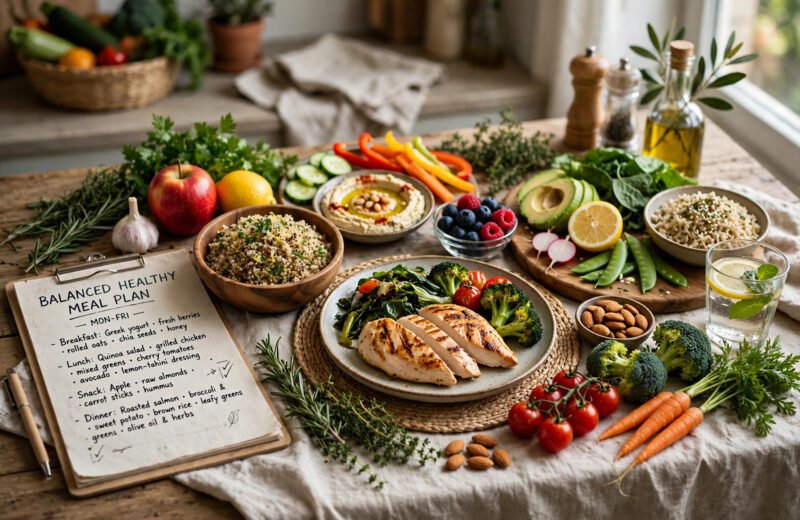
Eat Well Plate: A Simple Guide to Balanced Eating

Healthy eating advice can feel like a moving target. One week fat is the enemy, the next it is sugar, and somewhere in between a new headline tells you to give up bread. No wonder so many people feel confused about what a sensible plate of food even looks like. The eat well plate was created to cut through that noise.
The eat well plate is based on the Eatwell Guide from the NHS, a simple picture that shows how much of what you eat should come from each food group. There are no banned foods and no complicated points to count, just a clear visual guide to balance.
In this guide we will walk through the five food groups, how the plate fits together, and how to use it at real meals without turning eating into homework. The aim is balance across your days and weeks, not perfection at every single sitting.
Quick Takeaways
- The eat well plate is a picture of balance, not a strict diet.
- Fruit and vegetables, and starchy foods, each make up about a third of the plate.
- Protein foods and dairy take smaller shares of what you eat.
- Oils, and foods high in fat, salt and sugar, form the smallest part.
- Choose wholegrain versions of starchy foods where you can.
- Drink plenty of fluids through the day, with water as the main choice.
What Is the Eatwell Guide?
The Eatwell Guide is the UK’s official visual guide to a healthy, balanced diet, produced by the NHS and public health experts. It shows a plate divided into sections, and the size of each section reflects how much of your food should come from that group. The guide grew out of the older eatwell plate, keeping the same simple idea with a refreshed design.
The important thing to understand is that the plate describes your eating as a whole, across a day or a week, not one single meal. A lunch that is heavier on bread is fine if your other meals carry plenty of vegetables. Thinking in patterns, rather than single plates, makes the guide far easier to live with.
The guide is aimed at most adults and older children. Very young children, and people with particular medical conditions or dietary needs, may need tailored advice, and the NHS is the right place to check for personal guidance.

The Five Food Groups Explained
Fruit and Vegetables
Fruit and vegetables fill one of the two biggest sections of the plate. They provide fibre, vitamins and minerals for relatively few calories, so they earn their generous share. Fresh, frozen, tinned and dried all count, which makes it easier than people expect. Aim for variety and colour across the week: leafy greens, root vegetables, berries, apples, salads and everything in between.
Starchy Foods
The other large section belongs to starchy foods such as potatoes, bread, rice, pasta and cereals. These are the base of most meals and your main source of energy. Where you can, choose wholegrain versions, such as wholemeal bread, brown rice and wholewheat pasta, because they bring extra fibre that helps you feel full and keeps your digestion happy.
Protein Foods
Protein foods take a smaller slice of the plate. This group includes beans, lentils and other pulses, as well as fish, eggs and meat. Pulses are an especially good choice: they are filling, affordable and kind to the planet. When you choose meat, leaner options in modest portions fit the plate best, and mixing in meat free meals across the week is a simple way to keep this section in balance.
Dairy and Alternatives
Milk, cheese, yoghurt and dairy alternatives form a smaller section still. These foods provide calcium and protein, but some are rich, so moderate portions are the idea. Lower fat and lower sugar options, where you enjoy them, help keep this group in its place on the plate. If you choose plant based alternatives, varieties with added calcium sit closest to the guide’s intention.
Oils, Spreads and Foods High in Fat, Salt and Sugar
The tiniest part of the picture covers unsaturated oils and spreads, used in small amounts for cooking and dressing. Foods high in fat, salt and sugar, such as chocolate, crisps, cakes and sugary snacks, sit outside the main plate altogether. The message is not that they are forbidden. It is that they should be eaten less often, and in small amounts, so they do not crowd out the foods your body needs most.
How the Plate Fits Together
Picture the plate in your mind. Fruit and vegetables take about a third of it. Starchy foods take about a third too. Together, those two groups make up well over half of everything you eat. Protein foods take a noticeably smaller share, dairy a smaller share again, and oils the tiniest sliver of all.
Because the guide works over days rather than single meals, you do not need to rebuild every plate with a ruler. A pasta dish with a big side salad leans the right way. So does a soup with bread, followed by fruit and yoghurt. When you step back and look at a whole week, the pattern is what counts.
Many people find it helps to think of the biggest two sections first. If fruit, vegetables and starchy foods are filling most of your trolley and most of your plate, the smaller groups tend to fall into place around them.

Using the Eat Well Plate at Real Meals
Breakfast
Breakfast is an easy win. Wholegrain toast or cereal covers the starchy section, a piece of fruit or a handful of berries covers fruit, and milk or yoghurt adds a little dairy. It takes minutes and sets up the pattern for the day.
Lunch
At lunch, a sandwich made with wholemeal bread, filled generously with salad and a modest portion of egg, tuna or cheese, follows the plate well. A bowl of vegetable soup with bread does the same job, and a piece of fruit afterwards balances things further.
Evening Meals
For the evening meal, try building the plate in order: a generous serving of vegetables, a starchy base such as rice, potatoes or pasta, and a moderate portion of protein. A curry with plenty of vegetables and lentils, served with rice, is a natural fit, and so is grilled fish with potatoes and two kinds of vegetables.
Do Not Forget Drinks
What you drink matters alongside what you eat. The guide encourages drinking plenty of fluids through the day, and water is the healthiest and simplest choice. Tea and coffee without much sugar also count towards your fluids in general terms, while sugary fizzy drinks are best treated as an occasional extra rather than a daily habit.
Keep a bottle or glass of water within reach, drink regularly rather than waiting until you feel very thirsty, and have extra in hot weather or when you have been active. It is a small habit with a big effect on how well you feel.
Simple Tips for Balanced Plates
Start where you are. Small swaps beat a dramatic overhaul that lasts a fortnight. Move to wholemeal bread, add one extra vegetable to meals you already cook, and keep a bag of frozen vegetables ready for days when fresh supplies run low. Frozen vegetables count just as much and cut down waste.
Shop with the plate in mind. If your basket is mostly vegetables, fruit and starchy staples, with smaller amounts of protein and dairy, your meals will follow. Reading labels in general terms, and choosing options lower in fat, salt and sugar where you can, helps with the smallest section of the guide too.
Finally, keep pleasure on the menu. The guide leaves room for the foods you love, including treats, as long as they stay in their small place. Food shared and enjoyed, eaten at a table rather than on the run, supports a balanced pattern far better than guilt ever will.

Frequently Asked Questions
Is the eat well plate a diet?
No. It is not a weight loss plan or a set of strict rules. It is a guide to the balance of food groups that supports good health over time, designed to be flexible enough for everyday life, celebrations and all.
Do I need to follow the plate at every meal?
No. The proportions describe your eating across a day or a week. Individual meals can lean one way or another, as long as the overall pattern roughly matches the guide.
Do frozen and tinned fruit and vegetables count?
Yes. Fresh, frozen, tinned and dried fruit and vegetables all count towards that section of the plate. Frozen options can be especially handy, as they keep well and are often prepared within hours of picking.
Can vegetarians and vegans use the eat well plate?
Yes. The protein section includes beans, lentils, peas, nuts and soya based foods, and the dairy section includes alternatives. A varied plant based pattern fits the guide comfortably, with a little care to cover nutrients such as calcium.
Can children follow the eat well plate?
The guide is aimed at adults and older children. Younger children have different nutritional needs and smaller appetites, so families with little ones should look at the NHS guidance written for their age group.
Conclusion
The eat well plate takes the mystery out of healthy eating. Fruit and vegetables, and starchy foods, each fill about a third of what you eat. Protein and dairy take smaller shares, and oils, plus foods high in fat, salt and sugar, take the smallest place of all. Water is the drink to build your day around.
You do not need special products, strict rules or a perfect week. Build your shopping and your meals around the two big sections, keep the smaller ones in proportion, and let the pattern settle in over time. Balance, repeated gently day after day, is what the plate is really teaching.
Join the Conversation
Which food group do you find hardest to get enough of, and which do you tend to overdo? Most of us have one of each. Share your honest answer in the comments, pass this guide to a friend who finds healthy eating advice confusing, and tell us which everyday eating topic you would like us to explain next.

magazinesupdate
Sharing practical guides, news and insights on Magazines Update.