Power of Attorney Solicitors Near Me: How to Choose One
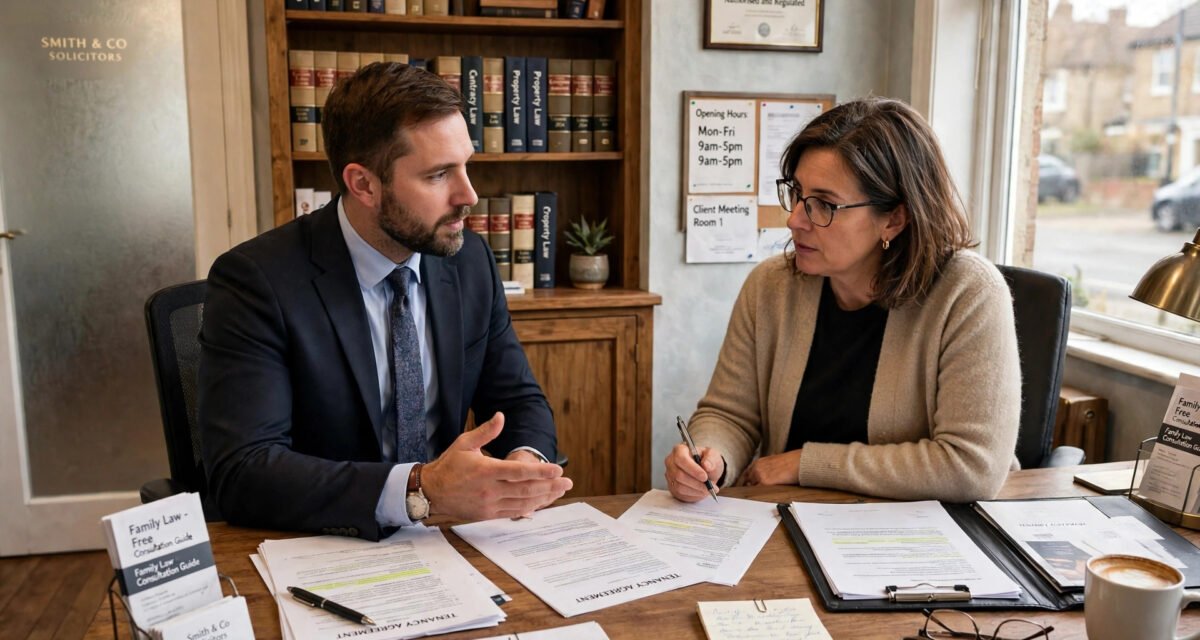
At some point, many families start thinking about what would happen if a loved one could no longer manage their own money, property or health decisions. A lasting power of attorney, often shortened to LPA, is the legal document that lets a person choose who would step in and act for them in that situation. It has to be made while the person still has mental capacity, which is why planning ahead matters.
You can prepare an LPA yourself using the official forms, and plenty of people do. But a large number of people search for power of attorney solicitors near me because they would rather have a professional guide them through it. This guide explains what a solicitor actually does during the process, how to find a good local one, the questions worth asking at a first meeting, and how to weigh up the DIY route against professional help in a balanced way.
Quick Takeaways
- An LPA lets you appoint trusted people, called attorneys, to make decisions for you if you lose mental capacity.
- There are two types: one for property and financial affairs, and one for health and welfare.
- A solicitor can check capacity, explain your options, draft your wishes clearly and make sure forms are signed correctly.
- Mistakes in signing or completing the forms can cause an LPA to be rejected when it is registered, so care matters.
- Find local firms through the Law Society’s Find a Solicitor service and check they are regulated by the SRA.
- Ask about experience, who will handle your case, how fees are charged and what the process involves at the first meeting.
- The do-it-yourself route can work for simple situations, but professional advice is valuable where family or finances are complex.
What a Lasting Power of Attorney Is
A lasting power of attorney is a legal document in England and Wales in which one person, called the donor, gives another person or people, called attorneys, the legal authority to make decisions on their behalf. The donor must be an adult with mental capacity at the time the document is made. Capacity means the person can understand, remember and weigh up information about the decision and communicate their choice.
There are two types of LPA, and many people make both. A property and financial affairs LPA covers money and property matters, such as running bank accounts, paying bills, collecting benefits or a pension, and dealing with a home. A health and welfare LPA covers decisions about daily care, medical treatment and where the person lives, and it only takes effect if the donor loses capacity. It can also include, if the donor wishes, authority over life sustaining treatment decisions.
An LPA must be registered before it can be used, and registration is handled by the Office of the Public Guardian. This background is useful when talking to solicitors, because it explains why the details matter: the document may not be used for years, but when it is needed, it has to be valid, clear and ready.
Why People Use a Solicitor for an LPA
The forms look simple at first glance, but small errors can have big consequences. Sections must be signed in the correct order, by the right people, with suitable witnesses. A mistake can lead to the application being rejected, which means delays and, in the worst case, finding out about the problem at the exact moment the family needs the document to work. A solicitor’s job is to make sure none of that happens.
There is also the advice itself. A solicitor will ask questions a form cannot ask. Should your attorneys act together on everything, or can they act separately for convenience? Do you want to name replacement attorneys in case one of yours cannot act? Are there wishes or instructions you want written in, about your care or your money, that need careful wording to be workable? For families with businesses, property abroad, complicated investments or delicate relationships, this guidance is often the most valuable part.
Peace of mind plays a part too. Some people simply prefer a professional to be involved where capacity might one day be questioned, because a solicitor can record that the donor understood what they were signing. Others are helping an elderly parent and want an independent person in the room. All of these are sensible reasons to search for power of attorney solicitors near me rather than going it alone.

What a Solicitor Actually Does During the Process
Knowing what you are paying for helps you judge firms fairly. Although every firm works slightly differently, a solicitor helping with an LPA will generally do the following.
The First Conversation and Capacity Check
The solicitor meets the donor, ideally with time alone with them, to explain what an LPA does and to be satisfied the donor understands it and is acting freely, without pressure. This conversation protects everyone: the donor, the attorneys and the family.
Preparing the Documents
The solicitor drafts the forms based on the donor’s choices, including attorneys, replacements, how attorneys should act together, and any preferences or instructions the donor wants recorded. Good drafting makes the donor’s wishes clear to attorneys and to the Office of the Public Guardian.
Acting as or Arranging the Certificate Provider
Every LPA needs a certificate provider, an independent person who confirms the donor understands the document and is not under pressure. A solicitor often acts in this role, or helps arrange someone suitable, and this independent check is one of the safeguards built into the system.
Signing and Registration
The solicitor oversees the signing in the correct order and with correct witnessing, then submits the application for registration and deals with any queries that come back. Once registered, the firm usually stores the document safely or returns it with clear guidance on keeping it safe and what attorneys should do when the time comes to use it.
How to Find Power of Attorney Solicitors Near Me
Start with trustworthy directories rather than whoever shouts loudest online. The Law Society, the professional body for solicitors in England and Wales, runs a Find a Solicitor service that lets you search by location and area of law. Look for firms that list services such as wills, probate and powers of attorney, often grouped under private client work. The Law Society also has an accreditation for wills and estate administration quality, which some firms hold and display.
Check that any firm you shortlist is regulated by the Solicitors Regulation Authority, known as the SRA. Regulation matters because it means the firm meets professional standards, carries proper insurance and is covered by complaints procedures if something goes wrong. Genuine solicitors can be checked on the SRA’s register, and this quick check is worth doing before you hand over personal documents or money.
Personal recommendations remain valuable. Ask family, friends or local carers’ and community groups which firms they used and how they found the experience. Then read the firm’s own website and recent reviews with a practical eye: do they explain the LPA process in plain language, do they welcome enquiries about it specifically, and do they seem used to working with older clients and families? A firm that does this work regularly will usually say so clearly.

Questions to Ask at the First Meeting
A first meeting or call is your chance to judge both competence and manner. You are trusting this person with a document that affects your family’s future, so the relationship has to feel right. Useful questions include the following.
- How often do you prepare lasting powers of attorney, and who in your team will handle mine day to day?
- Can you explain, in plain terms, the difference between the two types of LPA and help me decide whether I need one or both?
- How do you charge: a fixed fee for the whole job, or hourly rates? What exactly is included, and are registration fees and VAT on top?
- What information and identification should I bring, and can a family member come with me if I would like that?
- Can you act as certificate provider, and how do you satisfy yourself about capacity?
- What happens once the LPA is registered: where is it stored, who is told, and how would my attorneys use it in practice?
- If my circumstances change, how easy is it to update my choices, and what would that involve?
Pay attention to how the answers feel as much as what they say. A good solicitor explains without jargon, does not rush you, and is honest about anything that might be complicated in your situation. If you feel pressured or confused after the meeting, it is perfectly acceptable to speak to another firm before deciding.
DIY Forms or a Solicitor: A Balanced View
It is only fair to say that the DIY route works well for many people. The official forms, available online or on paper, are designed for public use, and for a straightforward situation, with confident attorneys and no complicated wishes, completing them carefully at home can be entirely reasonable. The government service guides you step by step, and the only unavoidable cost is the registration fee payable for each LPA.
The solicitor route earns its keep where the stakes or the complexity are higher: blended families, family businesses, property or assets in more than one country, concerns about someone’s capacity being challenged later, or simply a donor who finds forms stressful and wants a professional to carry the detail. Mistakes in an LPA may not surface for years, and by then the donor may no longer be able to fix them, because making a new LPA requires capacity. That single fact is why many people decide the professional route is worth it.
A sensible middle path is to read about the process first, discuss wishes as a family, and then decide honestly which category you fall into. Whichever route you choose, do not put it off indefinitely: the one mistake no one can correct later is never making an LPA at all while you still can.

Frequently Asked Questions
Do I legally need a solicitor to make a lasting power of attorney?
No. You can complete the official forms yourself and register the LPA without a solicitor. Many people use a solicitor for the advice, the careful checking and the reassurance that the document will be valid when their family needs it.
How do I know a solicitor is genuine and regulated?
Check the firm’s details on the register kept by the Solicitors Regulation Authority (SRA), and use the Law Society’s Find a Solicitor service to search for firms in your area. Regulated firms follow professional standards and carry proper insurance.
What should I take to my first appointment?
Take identification, the full names and addresses of the people you want as attorneys and replacements, and any notes about your wishes. The firm will tell you if it needs anything else before you arrive.
Can a solicitor act as my certificate provider?
Yes, a solicitor commonly acts as certificate provider, confirming that you understand the LPA and are not under pressure. It must be someone independent who is not a family member or one of your attorneys.
What if my family disagrees about the LPA?
A solicitor can help by explaining the process clearly to everyone involved and recording the donor’s own wishes carefully. Because the donor must have capacity and act freely, an independent solicitor’s involvement can be especially reassuring where feelings are running high.
Important: A Note on This Guide
This article is general information only. It is not legal advice, it does not cover every situation, and the law and procedures described relate to lasting powers of attorney in England and Wales. Your own circumstances may need individual advice, so please speak to a qualified solicitor about your specific case before acting. If you already have an LPA and are unsure whether it says what you want, a solicitor can review it with you.
Conclusion
Searching for power of attorney solicitors near me is really a search for trust. The right solicitor will explain the two types of LPA clearly, check capacity with care, draft your wishes so they work in practice, and get the signing and registration right first time. Use the Law Society’s search tools, confirm SRA regulation, ask direct questions about experience and fees at the first meeting, and weigh the DIY route honestly against the complexity of your own situation. Do that, and you will end up with a document, and a family, that is properly prepared for whatever the future holds.
Share Your Experience
Many readers find this page while helping a parent or planning for themselves, and real experiences are genuinely useful to others in the same position. Did you use a solicitor for your LPA, or did you complete the forms yourself, and what tipped your decision? Tell us in the comments below, and feel free to share this guide with a family member who has been meaning to get their paperwork in order.

magazinesupdate
Sharing practical guides, news and insights on Magazines Update.