Symptoms of a Lung Embolism: Signs You Must Never Ignore

Some health symptoms can safely wait for a routine appointment. The symptoms of a lung embolism are not among them. A lung embolism, known medically as a pulmonary embolism, happens when a blood clot blocks one of the blood vessels in the lungs. It can come on suddenly, it can become life threatening quickly, and it needs emergency treatment. Knowing the signs in advance could make all the difference for you or for someone you love.
This guide explains, in clear and general terms, what a pulmonary embolism is, the main symptoms to watch for, why it must be treated as an emergency, who is more at risk, and what happens in hospital in broad outline. It is written to help you recognise the warning signs and act fast. If you are reading this because you or someone near you has these symptoms right now, stop reading and call 999 immediately.
Quick Takeaways
- A lung embolism (pulmonary embolism) is a blood clot that blocks a blood vessel in the lungs.
- The main symptoms are sudden breathlessness, chest pain that may feel worse when breathing in, a cough, coughing up blood, and a fast heartbeat.
- It is a medical emergency. Call 999 straight away rather than waiting to see if symptoms settle.
- Risk is higher after surgery, during long periods of not moving, after long journeys, during pregnancy, and in people who have had a blood clot before.
- In hospital, doctors assess and scan patients, and treatment usually involves anticoagulant medicines that stop the clot growing.
- Trust your instincts. Sudden, unexplained breathlessness or chest pain should always be checked urgently.
What Is a Pulmonary Embolism?
A pulmonary embolism is a blockage in one of the arteries that carry blood through the lungs. In most cases the blockage is a blood clot that formed elsewhere in the body, commonly in the deep veins of the leg, a condition known as deep vein thrombosis or DVT. Part of that clot can break away, travel through the bloodstream and become lodged in the lungs, where the vessels are narrower.
The lungs play a central role in putting oxygen into the blood. When part of that system is blocked, the body receives less oxygen, and the heart has to work harder to push blood through. A small clot may cause mild symptoms, while a large clot can strain the heart severely and be fatal without treatment. This is why the same condition can look quite different from one person to another, and why it is never worth taking a chance on symptoms that fit the pattern.
A pulmonary embolism is not rare, and it can affect adults of any age, although the risk rises in certain situations covered later in this article. The encouraging news is that, when it is recognised quickly and treated promptly, many people recover well. Speed is the crucial factor, which is exactly why public awareness of the symptoms matters so much.
The Main Symptoms of a Lung Embolism
The symptoms of a lung embolism often appear suddenly and without an obvious cause. They can vary in strength, and not everyone has every symptom, but the following are the main ones described by the NHS and other medical sources. Treat this list as a set of alarm bells: any one of them, appearing suddenly, deserves urgent medical attention.
Sudden Breathlessness
The most common symptom is becoming short of breath, often quite suddenly. You may feel that you cannot get enough air, that breathing takes real effort, or that you become breathless doing very little, such as walking across a room or talking. This breathlessness tends to come on without the slow build-up of a chest infection and without an obvious trigger like exercise.
Chest Pain That Is Worse When Breathing In
Many people describe a sharp chest pain that gets worse when they breathe in deeply, cough or move. The pain may be in the centre of the chest or to one side, and it can be frightening because it may feel similar to the pain people associate with heart problems. Any sudden, unexplained chest pain is a reason to seek emergency help, whatever the cause turns out to be.
A Cough, Sometimes With Blood
A pulmonary embolism can cause a cough that appears out of nowhere. Some people cough up blood, or mucus streaked with blood. Even a small amount of blood when coughing, alongside breathlessness or chest pain, is a strong warning sign that should never be ignored or waited out at home.
A Fast or Irregular Heartbeat
Your heart may race, pound or feel irregular as it works harder to move blood through the lungs. You may feel light headed, dizzy or faint for the same reason. Feeling sweaty, anxious or generally very unwell can accompany these symptoms, and a general sense that something is seriously wrong is itself worth listening to.
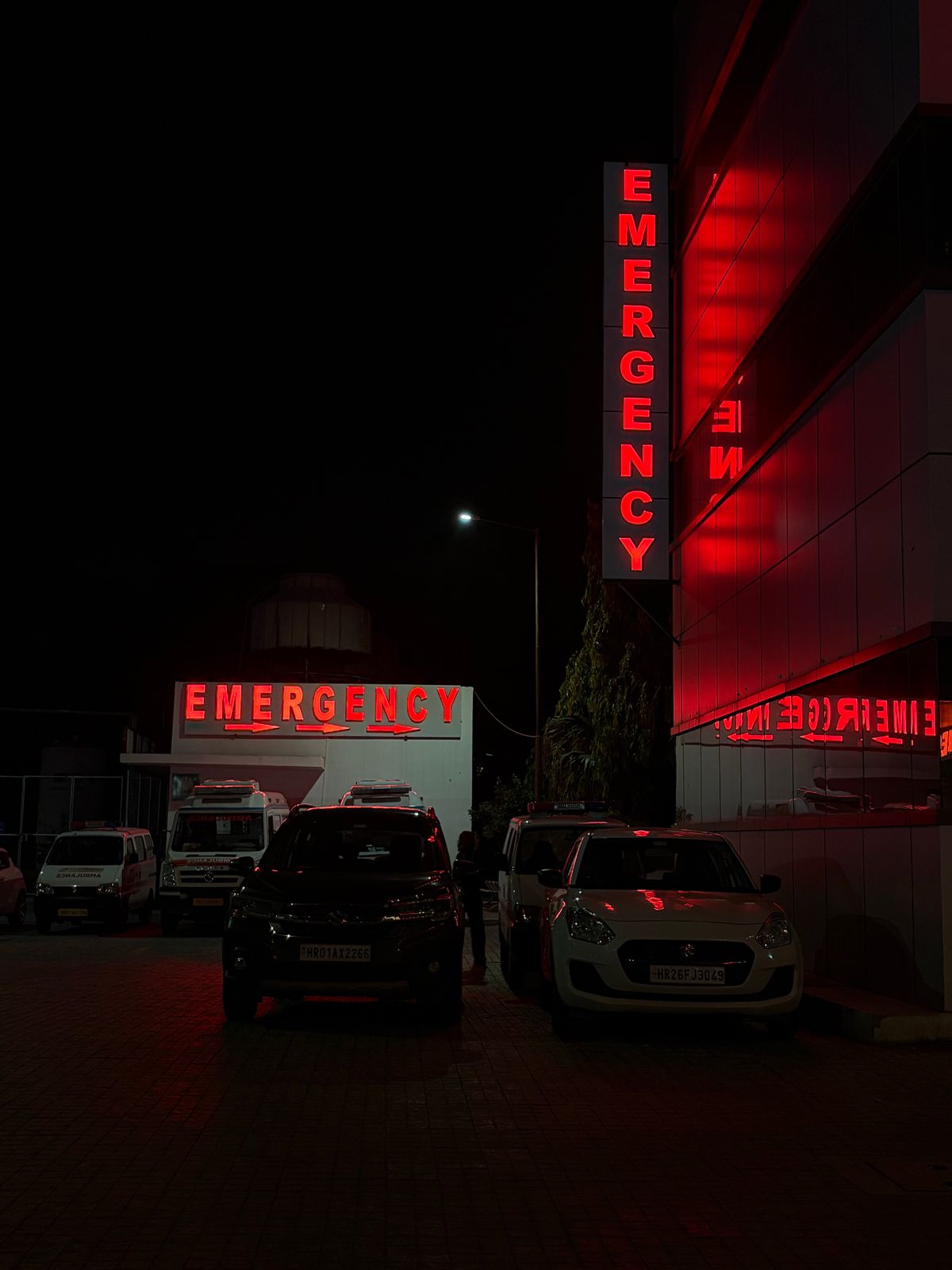
Why It Is a Medical Emergency: Call 999
A pulmonary embolism can worsen quickly. A clot that is straining the heart can lead to collapse, and prompt treatment greatly improves the chances of a good outcome. For that reason, the advice is simple and does not change: if you suspect the symptoms of a lung embolism, call 999 and ask for an ambulance. Do not drive yourself to hospital, and do not wait overnight to see how you feel.
It is completely understandable to hesitate. People worry about wasting the time of emergency services, especially if symptoms seem to ease. Please do not let that worry stop you. Paramedics and hospital teams would always rather assess someone whose symptoms turn out to have a less serious cause than meet someone who waited too long. Sudden breathlessness and chest pain are exactly the kinds of symptoms the emergency services exist for.
While you wait for help, sit or lie in whatever position makes breathing easiest, try to stay calm, and avoid exertion. If the symptoms are happening to someone else, stay with them, keep them comfortable, and be ready to describe when the symptoms started and what they feel like, as this helps the medical team act quickly.
Who Is More at Risk of a Pulmonary Embolism
Anyone can develop a blood clot, but some situations raise the risk. Understanding these risk factors helps you stay alert at the times when symptoms deserve extra suspicion.
- Recent surgery or a hospital stay: operations, especially on the legs, hips or abdomen, and periods of illness spent in bed can slow the blood flow and raise the risk of clots.
- Long periods of not moving: long journeys by plane, car, coach or train, desk work without breaks, or being confined to bed or a chair at home can all allow blood to pool in the legs.
- Having had a clot before: a previous DVT or pulmonary embolism increases the chance of another one, as do certain inherited conditions that affect how blood clots.
- Pregnancy and the weeks after birth: changes in the body during pregnancy and the postnatal period raise the risk of clots.
- Certain medicines and conditions: hormone based treatments, including some contraceptives and hormone replacement therapy, and conditions such as cancer and some heart or lung diseases, can increase risk.
- Other general factors: risk rises with age, with being very overweight, and with smoking.
Having one or more of these factors does not mean you will get a clot. It simply means that if symptoms like sudden breathlessness or chest pain appear, you should treat them with extra urgency and tell the medical team about your situation, including any recent surgery, journey or previous clot.

How Doctors Check for a Pulmonary Embolism
In hospital, the team will first assess you: asking about your symptoms and history, examining you, and checking things like your pulse, blood pressure and oxygen levels. A blood test may be used in some cases to help judge how likely a clot is, and an ECG or chest X-ray may be used to rule out other causes of chest pain and breathlessness.
If a pulmonary embolism is suspected, a scan of the chest is usually the key test. This is commonly a CT scan that pictures the blood vessels in the lungs and can show whether a clot is present and where it sits. Some people may also have an ultrasound scan of the legs to look for a DVT. The tests are chosen by the hospital team based on each person’s situation, and they are designed to give a clear answer as quickly as possible.
Treatment in General Terms
Treatment usually begins quickly once doctors suspect or confirm a clot, sometimes before every test result is back. The mainstay of treatment is anticoagulant medicine, often called blood thinning treatment. These medicines do not dissolve the existing clot directly, but they stop it growing and prevent new clots forming, while the body gradually breaks the clot down over time.
Anticoagulants may be given as injections, tablets, or a combination, and treatment typically continues for a period of months, with the exact length decided by the hospital team based on why the clot happened and the person’s wider health. People who are more seriously unwell may receive additional hospital treatment and close monitoring. After the emergency, many patients are followed up to review how they are recovering and whether anything can reduce the risk of another clot.
Recovery is individual. Some people feel back to normal fairly quickly, while others find breathlessness and tiredness linger for a while. Follow-up appointments matter, as does taking anticoagulant medicine exactly as advised and mentioning any unusual bleeding or bruising to your medical team or GP.

Frequently Asked Questions
What does a lung embolism feel like?
Most people notice sudden breathlessness and a sharp chest pain that can feel worse when breathing in. Some also cough, sometimes bringing up blood, and feel their heart racing. Symptoms often start abruptly and feel different from a normal cough or cold.
Can a pulmonary embolism come on suddenly?
Yes. Symptoms frequently appear suddenly, sometimes during rest, which is one reason the condition is so dangerous. Any sudden, unexplained breathlessness or chest pain should be treated as an emergency and assessed straight away by calling 999.
What is the difference between a DVT and a pulmonary embolism?
A DVT is a blood clot in a deep vein, usually in the leg, which may cause leg pain, swelling and warmth. A pulmonary embolism happens when a clot, often from a DVT, travels to the lungs and blocks a vessel there. A pulmonary embolism is the more immediately dangerous of the two.
How is a pulmonary embolism treated?
The usual treatment is anticoagulant medicine, which stops the clot growing and prevents new clots while the body breaks the existing one down over time. It is given in hospital at first, and treatment generally continues for a period of months under medical supervision.
Should I wait to see if the symptoms pass?
No. A pulmonary embolism can become life threatening quickly, and early treatment improves outcomes. If you have sudden breathlessness, chest pain, coughing up blood or a racing heartbeat, call 999 immediately rather than waiting.
Important Health Disclaimer
This article is general information only. It is not medical advice, it does not cover every symptom or situation, and it cannot diagnose you. Only a medical professional who can examine you and arrange the right tests can do that. If you have symptoms of a lung embolism, including sudden breathlessness, chest pain, coughing up blood or a fast heartbeat, call 999 immediately and follow the advice of the emergency services. For general background reading, the NHS website provides patient information on pulmonary embolism and blood clots.
Conclusion
The symptoms of a lung embolism are the body’s alarm system working exactly as it should. Sudden breathlessness, chest pain that worsens as you breathe in, a new cough, coughing up blood and a racing heartbeat are signs that should always trigger an emergency call. A pulmonary embolism is serious, but fast treatment saves lives, and hospitals are well practised at assessing and treating it. Learn the signs, take risk factors seriously at times like after surgery or long journeys, and never feel embarrassed about calling 999. It is the single most important step you can take.
Help Others Recognise the Signs
Awareness is a genuine part of prevention, because the person who recognises these symptoms may be a friend or family member rather than the patient. Which of the warning signs in this guide was new to you, and who in your life would you want to know them? Share this article with the people you care about, and tell us in the comments what prompted you to look these symptoms up, as your story may encourage someone else to act quickly when it matters most.

magazinesupdate
Sharing practical guides, news and insights on Magazines Update.