Men’s Casual Shoes: Styles, Materials, Fit and How to Choose the Right Pair

Why Men’s Casual Shoes Deserve Thought
Men’s casual shoes are the shoes most men wear most of the time, and yet they are often bought in a hurry, chosen for a single outfit, and then expected to cope with everything from a walk to work to a weekend away. That is a lot to ask of one pair, and it explains why so many men own a wardrobe full of shoes they rarely wear and one battered pair they wear every day. A little thought at the buying stage changes that pattern. The right casual shoes should feel comfortable from the first wear, suit the clothes you actually own, survive the weather and the surfaces you actually walk on, and look appropriate in the places you actually go. This guide explains the main styles, the materials that matter, how to get the fit right, and how to build a small rotation that covers everyday life without a cupboard full of compromises.
Casual does not mean careless. A well-chosen pair of casual shoes can look smart enough for a relaxed office, a restaurant or a family gathering, while still feeling easy enough for a long walk or a day of errands. The trick is to match the shoe to the occasion honestly: a pair that looks perfect with jeans may look out of place with smarter trousers, and a pair built for sport may feel wrong at a dinner table. Rather than searching for one pair that does everything, most men are better served by two or three pairs that each do their job well, rotated so that no single pair is worn every day. Rotation also extends the life of each pair, because shoes need time to dry out and recover their shape between wears.
The Main Styles of Men’s Casual Shoes
Trainers, sometimes called sneakers, are the most versatile casual shoes, and they range from slim, minimal designs in leather or canvas to chunkier, sport-inspired designs with bold soles. Minimal trainers in a neutral colour, such as white, navy or grey, pair with jeans, chinos and even relaxed tailoring, and they suit men who want one pair that works across many outfits. Sport-inspired trainers suit active days and relaxed weekends, but their bulk and branding can limit them in smarter settings. When choosing trainers for everyday wear, comfort and sole quality matter more than fashion details, because a trainer that looks good but offers poor support will not stay comfortable for long.
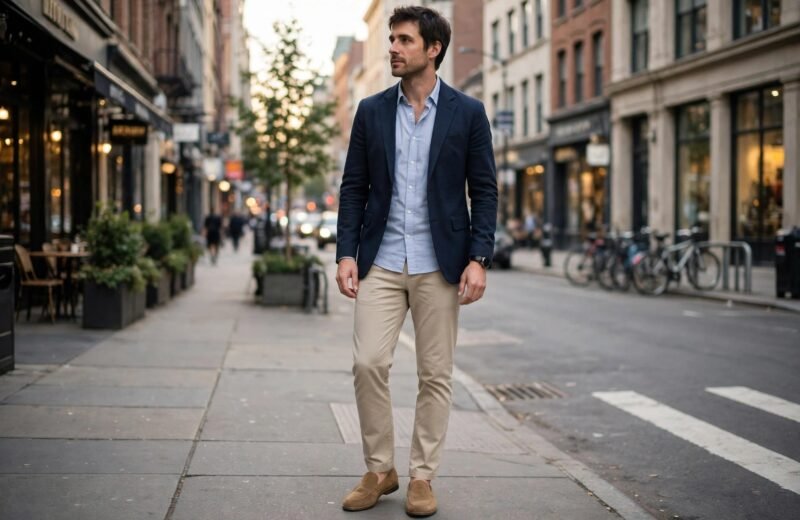
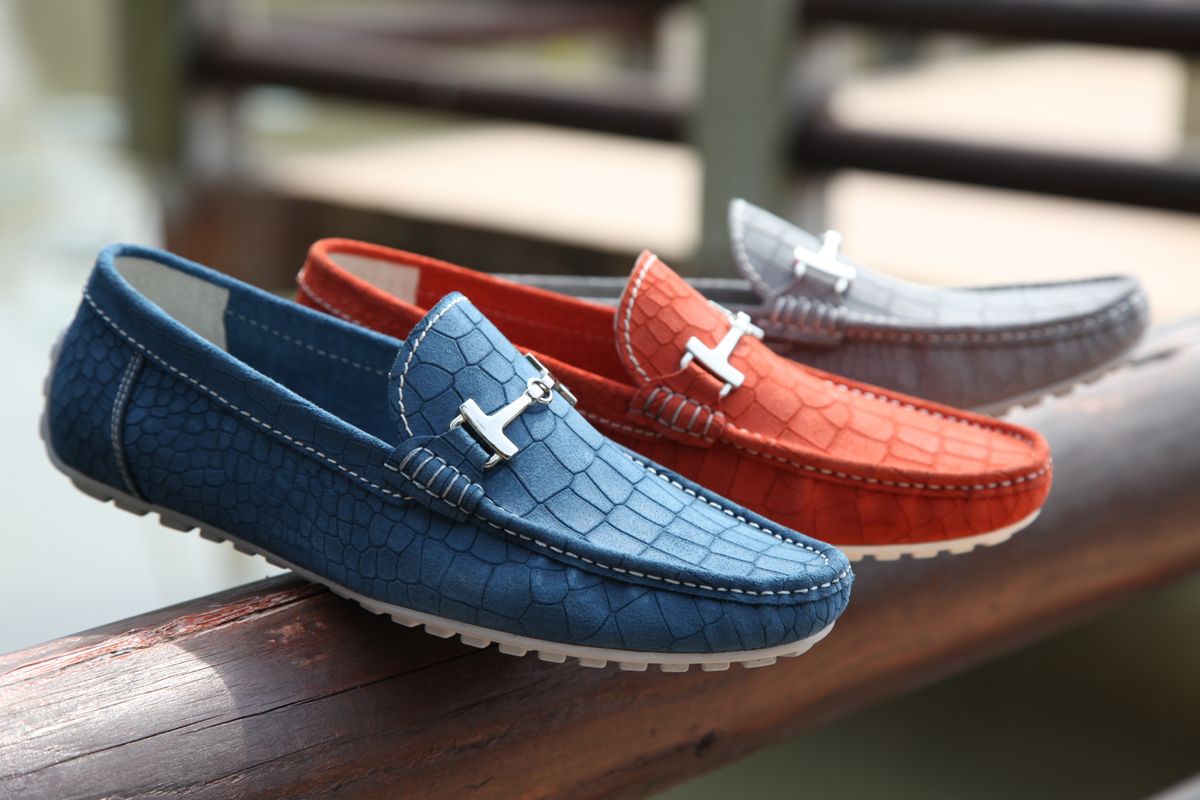
Loafers and slip-on shoes offer a smarter casual option without laces, and they suit men who want to look polished with minimal effort. Leather loafers pair with chinos, smart jeans and linen trousers, and they work well in warmer weather and in settings where a trainer would feel too relaxed. Suede loafers feel softer and more relaxed, while polished leather loafers feel smarter. Slip-on shoes in canvas or knit suit holidays and very relaxed days, although they offer less support for long walks. The common thread is ease: a good slip-on should go on and come off without a struggle, while still staying secure on the foot.
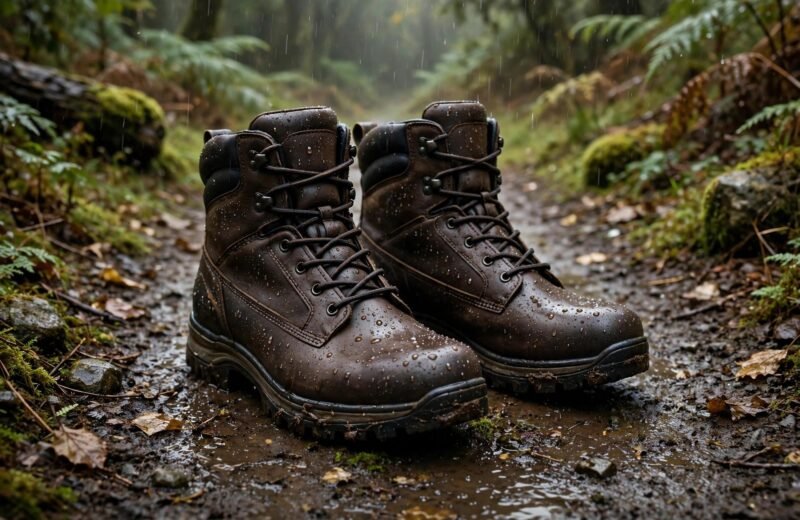
Boat shoes, originally designed for life on deck, bring a relaxed, summery feel, with leather or canvas uppers and non-marking soles. They suit coastal holidays, summer gatherings and smart shorts or chinos, although they are a seasonal choice rather than an all-year shoe. Canvas shoes, such as plimsolls and deck-style shoes, are light, breathable and inexpensive, and they suit warm weather and casual outfits, although they offer limited support and wear out faster than leather. Desert boots and chukka boots bridge the gap between shoes and boots: ankle-height, usually in suede or leather, with a simple lace fastening, they suit cooler months, jeans and chinos, and they add a little structure to a casual outfit without the weight of a full boot. Finally, casual brogues and derby shoes in suede or matte leather offer a smart casual option for men who want a shoe that works in a relaxed office and at a weekend lunch alike.
Materials: What Men’s Casual Shoes Are Made From
Leather is the classic material for men’s casual shoes, and for good reason. It is durable, it moulds to the shape of the foot over time, it can be polished and cared for, and it looks smarter as it ages, provided it is looked after. Full-grain leather is the highest quality, with a natural surface that ages gracefully, while corrected-grain leather has a more uniform finish but less character. Leather suits smarter casual shoes, cooler weather and men who are willing to care for their shoes with occasional cleaning and conditioning. It is less breathable than canvas, so in very warm weather a leather shoe can feel hot, and it needs protection from heavy rain.
Suede, which is leather with a napped surface, feels softer and more relaxed than smooth leather, and it suits desert boots, loafers and casual derbies. It looks beautiful in muted colours such as sand, grey and navy, but it stains and marks more easily than smooth leather, and it needs a protective spray and a suede brush to stay looking its best. Suede is a poor choice for wet, muddy conditions, and it suits men who can keep a pair for drier days. Canvas is light, breathable and easy to clean, which makes it ideal for summer shoes, although it offers less support and less durability than leather, and it can feel flimsy on long walks. Knit and mesh uppers, common in modern trainers, offer breathability and flexibility, and they suit active days, although they are harder to keep looking smart and they offer less protection in wet weather.
The sole matters as much as the upper. Rubber soles offer grip and durability, and they suit everyday walking on varied surfaces. Leather soles look smarter and feel more refined, but they wear faster and can be slippery on wet pavements. Cushioned soles, with foam or gel inserts, improve comfort for men who spend long hours on their feet, although the cushioning compresses over time and cannot be replaced as easily as a traditional sole. When comparing shoes, check whether the sole is stitched, glued or both: a stitched sole can usually be repaired, while a glued sole, once it fails, often means the end of the shoe. Repairability is worth considering, because a well-made pair that can be resoled may outlast several cheaper pairs.

Getting the Fit Right
Fit is the single most important factor in men’s casual shoes, and it is also the factor most often got wrong. A shoe that is too tight will cause blisters, sore toes and long-term discomfort, while a shoe that is too loose will slip at the heel, cause friction and make walking feel insecure. The right fit leaves a small amount of room, roughly a thumb’s width, between the longest toe and the end of the shoe, while the heel stays secure and the widest part of the foot sits comfortably across the widest part of the shoe. Feet are rarely identical, so fit the larger foot, and try shoes on later in the day, when feet are slightly larger, wearing the socks you would normally wear with that style.
Width matters as much as length, and many men wear shoes that are too narrow because they have chosen a length that compensates for width. If the shoe pinches across the toes or the sides, a wider fitting, where available, is a better solution than a longer size. Arch support and cushioning also matter, especially for men who walk long distances or stand for hours. A flat, unsupportive shoe may feel fine for an hour but cause aching feet by the end of the day, while a shoe with proper arch support and a cushioned insole distributes pressure more evenly. Removable insoles are a useful feature, because they allow custom insoles or orthotics to be fitted, and they make cleaning easier.
Breaking in a new pair deserves patience. Leather shoes soften and mould to the foot over several wears, so short wears at home before a long day out are wise. Canvas and knit shoes need less breaking in, but they still benefit from a gradual introduction. If a shoe causes pain in the shop, it is unlikely to become comfortable with wear, despite what sales advice may suggest. A shoe should feel comfortable when you first try it, with only minor stiffness that softens over time, and any sharp pressure, pinching or heel slip at the trying-on stage is a reason to try a different size, width or style.
Styling Men’s Casual Shoes
Styling men’s casual shoes starts with the trousers, because the shoe and the trouser hem meet and must work together. Slim trainers and loafers suit tapered jeans and chinos, where the hem sits just above the shoe without bunching. Bulkier trainers and boots suit straighter or slightly relaxed trousers, where the extra volume balances. Shorts suit canvas shoes, boat shoes and minimal trainers, provided the socks are either invisible or deliberately chosen; visible sports socks with smart shorts and loafers rarely look intentional. For smarter casual outfits, match the shoe’s formality to the trousers: suede desert boots or leather loafers with chinos, minimal leather trainers with smart jeans, and casual brogues with relaxed tailoring.
Colour is the next decision, and neutral colours are the safest foundation. White trainers, navy loafers, brown leather shoes and grey or black trainers pair with most wardrobes, while brighter colours and bold patterns suit men who want a shoe to be a statement and who own simpler clothes to balance it. A useful rule is to let one element lead: if the shoes are bold, keep the rest of the outfit calm, and if the outfit is patterned or colourful, choose quieter shoes. Brown shoes pair naturally with navy, grey, olive and earth tones, while black shoes pair with darker outfits and smarter settings, although black casual shoes can feel heavy in summer.
Seasonal styling also matters. Summer calls for breathable materials, lighter colours and shoes that can cope with warm pavements and occasional rain, such as canvas shoes, boat shoes and light trainers. Autumn and winter call for sturdier materials, darker colours and shoes with better grip, such as suede desert boots, leather brogues and robust trainers. A shoe rotation that includes one lighter pair and one sturdier pair will cover most of the year, with a smarter pair for occasions that need it. Keeping shoes clean and cared for is part of styling too: a clean pair of simple shoes always looks better than a dirty pair of expensive ones.

Comfort for All-Day Wear
Comfort in men’s casual shoes is not a luxury; it is the difference between a shoe you reach for and a shoe you avoid. Cushioning, arch support, breathability and weight all contribute, and their importance depends on how you spend your day. Men who walk long distances need grip, cushioning and a sole that absorbs impact, while men who stand for hours need arch support and a stable base. Men who drive for long periods need a flexible sole and a shoe that does not catch on pedals. There is no single most comfortable shoe, because comfort depends on foot shape, gait and daily activity, and the best test is always wearing the shoe for a realistic period, on realistic surfaces, before committing to it for a full day.
Socks play a larger role than many men realise. The wrong socks can cause blisters, sweating and slipping inside the shoe, while the right socks, in a breathable material and a thickness matched to the shoe, improve comfort considerably. For loafers and boat shoes, invisible socks protect the foot without changing the look. For trainers and boots, a cushioned sports or walking sock adds comfort and absorbs moisture. Changing socks during a very long day, where practical, can also help, and keeping feet dry is one of the simplest ways to prevent blisters and odour.
Caring for Men’s Casual Shoes
Care extends the life of men’s casual shoes considerably, and it need not be time-consuming. Leather shoes benefit from regular brushing, occasional cleaning and conditioning, and polishing where appropriate, which keeps the leather supple and prevents cracking. Suede shoes benefit from a protective spray when new, regular brushing with a suede brush, and prompt attention to marks before they set. Canvas shoes can usually be cleaned with a soft brush and mild soapy water, and they should be dried naturally, away from direct heat, which can warp soles and shrink uppers. Trainers with knit or mesh uppers should be cleaned gently, without harsh chemicals that can damage the material.
Storage also matters. Shoes last longer when they are kept in a dry, ventilated place, with shoe trees or stuffing to hold their shape, rather than crushed at the bottom of a cupboard. Rotating pairs, so that no pair is worn two days in a row, allows each pair to dry out fully, which prevents odour and material breakdown. Wet shoes should be stuffed with newspaper or shoe trees and dried naturally, never placed directly on a radiator, which can crack leather and warp soles. Small repairs, such as replacing laces, re-gluing a loose sole edge or replacing a worn heel, are worth doing promptly, because a small fault left alone often becomes a reason to discard an otherwise sound pair.
Common Mistakes to Avoid
The most common mistakes with men’s casual shoes are buying on appearance alone, choosing the wrong size or width, wearing one pair every day, and ignoring the occasion. A shoe that looks good in a photograph may feel poor after an hour, and a shoe bought for a single outfit may sit unworn for months. Another mistake is choosing a material unsuited to the weather: suede in heavy rain, canvas on a long muddy walk, or heavy leather boots on a hot summer day all lead to discomfort and damage. Finally, many men keep shoes long past the point where the sole, cushioning or upper has failed, because the shoes feel familiar, even though worn shoes offer poor support and can cause foot, knee and back discomfort. Replacing a worn pair is not wasteful; it is part of looking after your feet.
Frequently Asked Questions
How many pairs of men’s casual shoes do I need?
Most men are well served by two or three pairs: a versatile everyday pair, such as minimal trainers or leather loafers, a sturdier pair for cooler weather or longer walks, such as desert boots or robust trainers, and, where needed, a smarter pair for occasions. Rotation extends the life of each pair and gives feet a change of support.
Are trainers acceptable as smart casual shoes?
Minimal, clean trainers in leather or canvas, in a neutral colour, are widely accepted as smart casual, especially with chinos or smart jeans. Chunky sports trainers, bright colours and heavy branding suit relaxed settings better, and they may feel out of place in a smarter venue.
How should men’s casual shoes fit?
They should leave a small amount of room at the toe, hold the heel securely, and feel comfortable across the widest part of the foot. Fit the larger foot, try shoes on later in the day, and wear the socks you would normally wear with that style. Pain in the shop is a warning, not a challenge to break the shoe in.
How do I keep suede casual shoes looking good?
Protect new suede with a suitable spray, brush regularly with a suede brush, deal with marks promptly, and keep suede shoes for drier days. Wet suede should be dried naturally, stuffed to hold its shape, and brushed once dry.
Conclusion
Men’s casual shoes work hardest when they are chosen with honesty about daily life: the distances walked, the weather faced, the clothes owned and the occasions attended. Start with fit, choose a style and material that match the job, keep colours neutral for versatility, rotate pairs so each one lasts, and care for them simply and regularly. Done that way, a small collection of well-chosen casual shoes will feel comfortable, look appropriate and last far longer than a cupboard full of impulse buys. Comfort, fit and versatility are not compromises; they are what make a casual shoe genuinely good.

magazinesupdate
Sharing practical guides, news and insights on Magazines Update.