Home Security: Simple Ways to Protect Your Home

Home security is not really about gadgets. It is about making your home a harder, slower and noisier target than the one next door, so that anyone looking for an easy opportunity moves on. Most burglars are opportunists. They look for open windows, weak doors, dark corners and homes that look empty. The good news is that the basics of home security are simple, mostly low cost, and well within reach of any household, whether you own your home or rent it.
This guide walks through home security in plain language. It starts with doors and locks, because that is where most break-ins begin, then covers windows, lighting, alarms, cameras and smart doorbells in general terms. It also covers the everyday habits that matter just as much as any device, and what to check with your insurer so that your security and your cover actually match. By the end, you should have a clear, calm plan for your own home.
Quick Takeaways
- Strong doors and good locks matter more than any single gadget, so start there.
- Close and lock windows, especially small ones at the back of the house.
- Outdoor lighting removes the dark corners that intruders rely on.
- An alarm, even a simple one, makes a house less attractive to opportunists.
- Cameras and smart doorbells help you see and record what happens, but they support good locks rather than replace them.
- Simple habits, like keeping keys away from the letterbox and making the home look lived in, cost nothing and work well.
- Check what your home insurer expects, because some policies ask for certain locks or set conditions about alarms.
Doors and Locks: The First Line of Defence
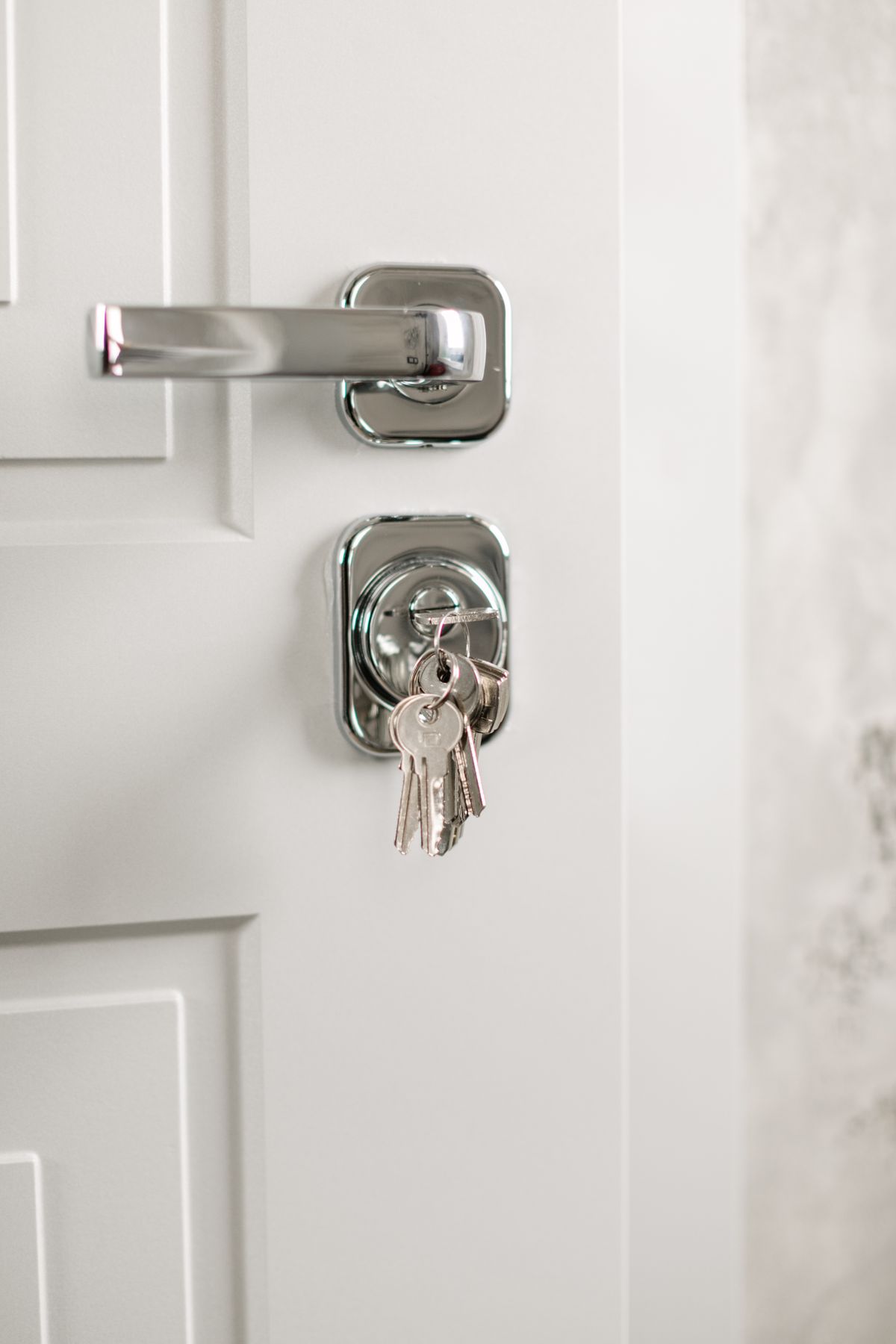
The front and back doors are the main way into most homes, for the family and for anyone else. A door is only as strong as its weakest part: the lock, the frame, the hinges and the panel itself. A solid door with a good lock fitted into a sound frame is the single most valuable home security step you can take. If a door flexes when you push it, or the frame is cracked or rotten, even the best lock will not hold for long.
On wooden doors, a strong mortice deadlock working alongside the everyday latch is a well proven arrangement. On modern uPVC and composite doors, a multi-point locking system that engages at several points along the frame is standard, and it works by lifting the handle and turning the key. Whichever type you have, the lock cylinder is worth attention: better cylinders are designed to resist snapping, drilling and picking, and a local locksmith can advise on what suits your door. If you have just moved home, changing the locks is a sensible first job, because you cannot know who still holds a key from before.
Do not forget the details around the door. A letterbox in the middle of the door can be used to reach keys or bolts left nearby, so keep keys out of sight and out of reach of the door. Hinge bolts add strength on outward opening doors, and a door chain or limiter lets you open the door a crack to speak to a caller without opening it fully. Patio doors and French doors need their own attention: check that they lock properly, that the glass is sound, and consider a simple additional lock if the fitted one feels loose or worn.
Windows: The Quiet Way In
Windows are the second most common entry point, and they are often the weakest. Small windows, such as bathroom and side windows, are a favourite route because people forget to lock them or assume they are too small to matter. Modern windows usually have locking handles; older ones may benefit from simple add-on locks fitted by a competent DIYer or a locksmith. The rule is easy: if a window can be opened from outside when it is shut, it needs attention.
Ground floor windows and any window reachable from a flat roof, a porch or a drainpipe deserve the most care. Keep them closed and locked when you go out and at night, even in hot weather. If you like air at night, consider windows that can be locked in a slightly open position. Curtains and blinds also play a part: they stop passers-by from seeing valuables on display, which quietly removes temptation. When you replace windows, ask about laminated glass for the most vulnerable spots, as it is far harder to break through than standard glass.
Lighting That Works While You Sleep
Intruders like the dark, so light is one of the cheapest and most effective parts of home security. A light by the front door helps your family and visitors, and it also means anyone approaching the door can be seen. Motion sensor lights covering the back garden, the side path and the driveway are especially useful, because a sudden light draws attention and removes hiding places. Modern LED fittings use very little power, and solar options exist for spots where wiring is awkward.
Indoor lighting matters too, particularly when you are away. A timer switch that turns a lamp on in the evening makes a home look occupied, and varying the times slightly looks more natural than a light that clicks on at the exact same minute every day. Some smart plugs and bulbs can follow a schedule from an app, and ecosystems such as smart speakers and home apps can group lights into simple routines. Keep it simple, though: a system you understand and actually use beats a complicated one that you give up on.

Alarms: A Loud Reason to Leave
A burglar alarm does two jobs. It makes a noise that draws attention and hurries an intruder along, and its visible box on the wall tells an opportunist that this house is protected before they even try. Alarms range from simple self-fit kits that sound a siren and send a phone alert, through to professionally installed systems that are monitored by a company which responds when the alarm goes off. There is no single right choice; it depends on your home, your budget and how much looking after you want the system to do for you.
Whatever type you choose, an alarm only works if it is set. Set it at night and every time you go out, and make sure everyone in the house knows the code and how to cancel a false alarm calmly. Sensors on doors and ground floor windows, and movement sensors in key rooms such as the hallway, give the best cover. Test the system now and then, keep sensors free of dust and cobwebs, and replace backup batteries when the panel reminds you. A system that cries wolf every week soon teaches neighbours to ignore it, so deal with the cause of false alarms rather than living with them.
Cameras and Smart Doorbells
Cameras have become a normal part of home security. In general terms, they let you see what is happening at your home, record clips when movement is spotted, and check in from your phone when you are out. Outdoor cameras covering the front door, driveway and back garden are the most common setup. Two-way talk, night vision and phone alerts are widely offered features, and footage stored in the cloud or on a memory card can help the police if something does happen.
Smart doorbells work in a similar way. They combine a doorbell with a small camera and a phone app, so you can see and speak to callers even when you are not at home. That helps with parcel deliveries and cold callers alike, and it means the house looks answered even when it is empty. Wired models draw power from the doorbell circuit or a plug, while battery models are simpler to fit and need recharging from time to time. As with any camera, think about privacy: aim cameras at your own property, and be considerate about how much of a neighbour’s garden or the street you record.
A fair word of balance: cameras record and alert, but they do not physically stop anyone. They work best as one layer among several, sitting on top of sound doors, locked windows and decent lighting. A home with strong basics and one camera is safer than a home with weak locks and four cameras.

Everyday Habits That Cost Nothing
Some of the best home security is simply habit. Lock the door when you come in, even during the day, and lock up properly when you go out rather than pulling the door to. Keep keys on a hook well away from doors and windows, never under a plant pot or a mat, and never labelled with your address. Put ladders and tools away in a locked shed or garage, because a ladder left out is an invitation to an upstairs window.
When you go on holiday, make the house look lived in. Ask a trusted neighbour to move post away from the door, open and close curtains, and perhaps park on your drive now and then. Cancel regular deliveries that would pile up, and use timers for lights. Be careful about announcing an empty house on social media before or during a trip; share the holiday photos when you get back instead. If you buy something expensive, break the packaging down rather than leaving the box by the bins as an advert.
Outside, keep hedges and fences in good order. A tidy boundary with a gate that shuts properly makes access slower and more visible. Gravel paths and drives are surprisingly useful, because they are noisy to walk on. Sheds and garages hold valuable tools and bikes, so give them a decent lock and, for bikes, consider marking and registering them so they can be traced if the worst happens.
Home Security and Your Insurance
Your home insurer cares about security too, and it is worth knowing what your policy expects. Some policies describe minimum standards, such as certain types of lock on the final exit door, and claims can be questioned if doors or windows were left open or not properly locked. If your policy mentions an alarm, it may expect the alarm to be set when the house is empty. Read the small print once, and if anything is unclear, ask the insurer to explain it in plain terms.
Tell your insurer the truth about the locks and systems you have, and let them know if you make a big change, such as fitting a new alarm or replacing doors. Keep receipts and photos of security work, and note the make and serial details of valuable items. None of this is exciting, but ten minutes of paperwork now can save a great deal of trouble if you ever need to claim.
Frequently Asked Questions
What is the most important part of home security?
Strong doors with good locks, in sound frames, come first. Most break-ins start at a door, so a secure front and back door, backed by locked windows, gives you more protection than any single electronic device.
Do I need an alarm if I have cameras?
They do different jobs. Cameras watch and record, while an alarm makes noise and draws attention straight away. Many homes use both, but if you choose one first, a simple alarm is often the better starting point alongside good locks.
Are smart doorbells worth it?
For many households, yes. They let you answer the door from your phone, see callers and deliveries, and make the house look occupied. They are a helpful extra, though, not a replacement for locking up properly.
What should I do about security when I move house?
Change the locks, because you cannot know who holds old keys. Then walk round the property and check every door and window, test the alarm if there is one, and deal with small jobs, like stiff locks, before they become big ones.
How can I make my home look occupied on holiday?
Use timers for lights, ask a neighbour to move post and adjust curtains, cancel deliveries that would build up, and keep quiet about the trip on social media until you return.
Conclusion
Good home security is a set of layers, and most of them are plain and affordable. Start with strong doors and locks, keep windows shut and locked, and light up the dark corners. Add an alarm if you can, use cameras and a smart doorbell where they help, and build the small daily habits that cost nothing at all. Finally, check that your insurance matches the security you actually have. You do not need to do everything in one weekend. Pick the weakest point of your home, fix that first, and work round the house step by step. A home that is slow, noisy and awkward to break into is a home that most intruders will simply walk past.
Tell Us What Works at Your Home
Every home is different, and the best ideas are often the simplest ones shared by neighbours. What is the one security step that made the biggest difference at your home: better locks, lighting, an alarm, or a small daily habit? Tell us in the comments, and share this guide with a friend who has just moved into a new place.

magazinesupdate
Sharing practical guides, news and insights on Magazines Update.