Free Business Bank Account: How to Choose the Right One
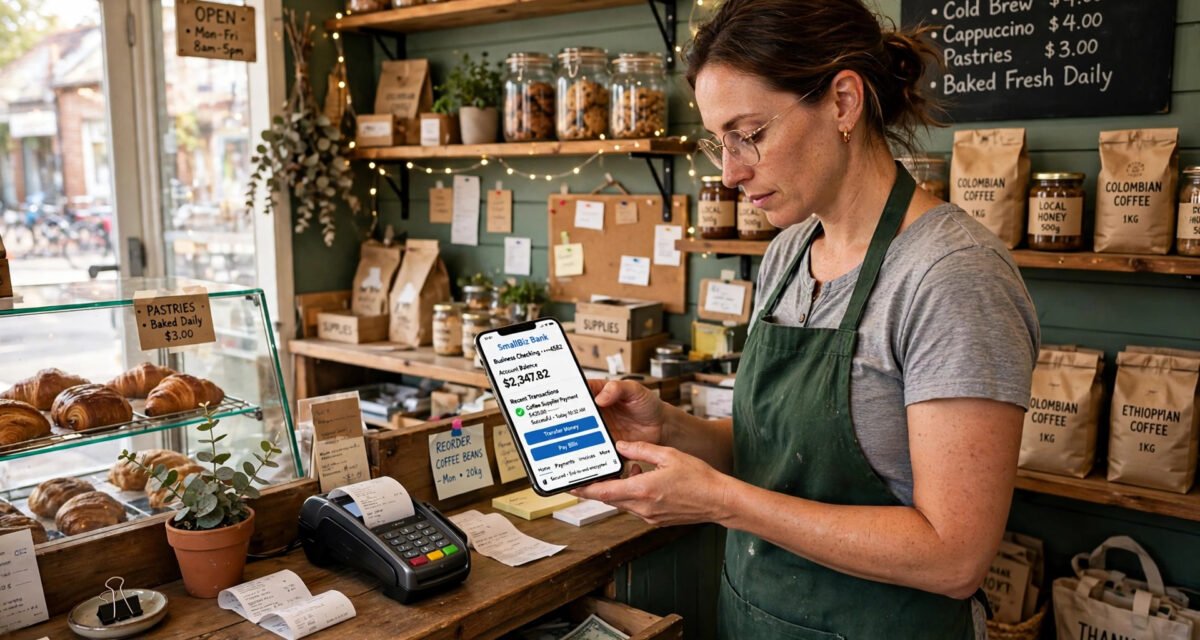
Starting a business comes with a long list of costs, and a bank account is one of the first things most owners arrange. It is easy to see why the idea of a free business bank account is so appealing. Keeping your business money separate from your personal money makes bookkeeping simpler, tax returns easier and your business look more professional to customers and suppliers.
The word free needs a little care, though. An account described as free does not always mean you will never pay anything. In most cases it means there is no regular monthly fee, at least for a set period or while you meet certain conditions. Other charges can still apply, and those charges are where the real cost of an account often sits.
This guide explains what a free business bank account usually means in practice, who can open one, the fees and limits worth checking, and the questions to ask before you apply. By the end, you should be able to compare accounts calmly and choose one that suits the way your business actually works.
Quick Takeaways
- Free usually means no monthly fee. It does not always mean every service is free.
- Some accounts are free only for an introductory period, then a monthly charge begins.
- Transaction charges, cash deposit limits and card fees can add up, so check the full tariff.
- Sole traders and limited companies face different eligibility rules and document checks.
- Look for FSCS protection, a reliable app and links to your accounting software.
- Always read the current terms with the provider before you apply.
What Does a Free Business Bank Account Actually Mean?
When providers describe a business account as free, they are usually talking about the monthly or annual account fee. Many business accounts charge a regular fee just for keeping the account open. A free account removes that particular cost, which can make a real difference to a new business watching every pound in its first year.
No Monthly Fee, but Not Always Free to Use
An account with no monthly fee can still charge for individual services. Paying in cash, sending faster payments above a set limit, using a card abroad or asking for paper statements may all carry charges, depending on the account. Think of the monthly fee as only one line in a longer price list. The account that suits you best is the one whose full price list matches how you actually bank.
For example, a business that is paid mostly by bank transfer and rarely handles cash may pay very little on a no monthly fee account. A market trader who banks cash every week could find the same account works out more expensive than expected. Neither account is good or bad on its own. What matters is the fit between the charges and your habits.
Introductory Free Periods
Some accounts are free for a fixed introductory period, often aimed at new businesses or customers switching from another provider. Once that period ends, a monthly fee may start automatically. Before you open an account of this kind, note the date the free period ends and find out what the fee will be afterwards. A short note in your diary now can save an unwelcome surprise later.
It is also worth asking what happens if your business grows. Some accounts stay free while your turnover or balance stays below a set level, and charges begin once you pass it. Growth is a good problem to have, but it helps to know the rules in advance so you can plan for the change.

Who Can Open a Free Business Bank Account?
Eligibility depends on how your business is set up and, sometimes, on how long you have been trading. Providers carry out identity checks and assess each application, so being able to apply does not guarantee the account will be opened. Still, understanding the usual rules helps you prepare the right documents and avoid delays.
Sole Traders
Sole traders are not legally required to open a separate business account, because in law they and their business are the same person. Even so, many choose to open one. Keeping business income and spending in one place makes it far easier to track cash flow, prepare accounts and show a clear record if the tax authority ever asks questions. Some providers offer accounts aimed at sole traders with simple needs, while others group sole traders with small companies under one tariff.
Limited Companies
A limited company is a separate legal entity, so it must have its own bank account in the company name. Directors should expect checks on the company itself, such as its registration details, as well as identity checks on the directors and any major shareholders. If you have only just registered your company, allow a little time for its details to appear on public records, as providers often rely on those records during the application.
New Businesses, Partnerships and Other Structures
Partnerships, charities, clubs and community groups can often open business style accounts too, but the rules and the documents needed vary more. Some free accounts are limited to sole traders and single director companies, while others accept a wider range of structures. If your business does not fit the standard boxes, check the eligibility page carefully or ask the provider before you start an application.
The Fees and Charges to Check Before You Apply
Every business account comes with a tariff, a document listing what each service costs. It is not exciting reading, but twenty minutes with the tariff tells you more about the true cost of an account than any headline about it being free. Here are the areas that deserve the closest look.
Transaction Charges
Some accounts include a set number of free transactions each month and charge for each one after that. Others charge for electronic payments, direct debits or transfers from the start. Count roughly how many payments your business makes and receives in a typical month, then compare that pattern against the tariff. A busy online shop and a freelance consultant will reach very different totals.
Cash and Cheque Deposits
Cash handling is one of the most common sources of unexpected cost. Accounts may set a monthly limit on how much cash you can pay in without charge, charge a percentage of larger deposits, or charge per cheque. If your customers pay in cash, also check how you would deposit it in practice. Some app based accounts rely on partner shops or post offices for cash deposits, and the limits there may be lower than at a traditional branch.
Other Costs That Are Easy to Miss
- Charges for using your debit card abroad or in another currency.
- Fees for returned direct debits or payments refused for lack of funds.
- Costs for extra cards for staff, or for additional users on the account.
- Charges for paper statements, duplicate documents or certified copies.
- Arranged overdraft fees and interest, if you think you may need one.
None of these charges make an account a bad choice by themselves. The aim is simply to go in with your eyes open, so the account you pick stays good value for the way you run your business.

Features That Matter in an Everyday Business Account
Price matters, but so does the daily experience of using the account. You may log in to your business banking hundreds of times a year, so small frustrations quickly add up. The features below are worth weighing alongside the tariff.
App and Online Banking
A clear, reliable app makes everyday tasks easier: checking your balance, approving payments, freezing a lost card and downloading statements. Look for basics such as instant notifications when money arrives, the ability to categorise transactions, and straightforward ways to share access with a business partner or bookkeeper without handing over your own login details.
Links With Accounting Software
Many accounts can feed transactions directly into popular accounting software, which saves hours of manual typing and reduces errors. If you already use accounting software, or plan to because of Making Tax Digital rules, check that the account connects to it properly. Automatic bank feeds, digital receipts and simple invoicing tools can turn a basic account into a genuinely useful business tool.
Protection and Peace of Mind
Money held with a UK authorised bank or building society is generally protected by the Financial Services Compensation Scheme, known as the FSCS, up to a set limit if the provider fails. The exact limit and the rules are set by the scheme and can change, so check the current position on the FSCS website rather than relying on old articles. Some newer providers hold customer money with a partner bank instead, which works differently. It only takes a moment to check how your money would be held, and it is a moment well spent.
How to Open a Free Business Bank Account, Step by Step
The exact process varies between providers, but most applications follow a similar path. Having your documents ready before you start makes the whole thing quicker and reduces the chance of the application stalling.
- Step 1: Decide what you need. Note how you take payments, whether you handle cash, and which features matter most.
- Step 2: Compare a shortlist of accounts using the full tariff, not just the headline monthly fee.
- Step 3: Check you meet the eligibility rules for your business type, turnover and trading history.
- Step 4: Gather your documents. This usually means photo ID, proof of address, and business details such as your company registration number or tax references.
- Step 5: Complete the application, online or in branch, and answer the questions about how you will use the account as accurately as you can.
- Step 6: Wait for the identity and business checks to finish. Providers may ask follow up questions, especially for new companies.
- Step 7: Once the account is open, set up your payments, connect your accounting software and move your regular income and outgoings across.
If you are switching from an existing business account, ask whether a switching service is available. Where it applies, it can move your balance, payments and regular credits for you, which takes much of the admin out of changing accounts.

Questions to Ask Before You Apply
Before you commit, a short set of questions can prevent most disappointments. If the answers are not clear on the provider website, ask directly and keep a note of the reply.
- Is the account free for good, or only for an introductory period?
- What will the monthly fee be after any free period ends?
- How much cash can I pay in each month without a charge?
- What does each transaction cost once any free allowance runs out?
- Does the account connect to the accounting software I use?
- How is my money protected if the provider fails?
- Can I add a second user, such as a partner or bookkeeper, safely?
- What support is available if something goes wrong: phone, chat or branch?
An account that answers these questions well for your business is far more likely to serve you over the long term than one chosen on a headline alone.
A Short Note Before You Decide
This article is general information only. It is not financial advice, and it does not recommend any particular account or provider. Account terms, fees and eligibility rules change over time, so always check the current details with the provider before you apply, and consider speaking to a qualified accountant or adviser if your situation is complicated.
Frequently Asked Questions
Is a free business bank account really free?
Usually, free refers to the monthly account fee. Other services, such as cash deposits above a limit, overseas card use or extra cards, may still be charged. Reading the full tariff before you apply is the surest way to know what you would actually pay.
Can a sole trader open a free business bank account?
In many cases, yes. Sole traders are common applicants for these accounts, although eligibility rules differ between providers. You will normally need photo ID, proof of address and some basic details about your business and how you expect to use the account.
Does a limited company need its own bank account?
Yes. A limited company is legally separate from its directors, so its money must be kept in an account in the company name. Directors should expect checks on both the company registration and their own identity during the application.
What happens when the free period on an account ends?
In most cases a monthly fee begins automatically once the introductory period finishes. The provider should make the end date and the future fee clear in its terms. Checking both before you apply helps you decide whether the account still offers good value afterwards.
Is my money safe in a free business bank account?
Free refers to fees, not to safety. Money held with a UK authorised bank or building society is generally covered by the FSCS up to the scheme limit if the firm fails. Always confirm how your money is held and check the current protection details on the FSCS website.
Conclusion
A free business bank account can be a sensible way to keep costs down, especially in the early days of a business when every saving counts. The key is to look past the headline. Free normally means no monthly fee, and sometimes only for a limited time, so the full tariff, the cash deposit rules and the eligibility conditions decide whether an account is truly good value for you.
Take a little time to match an account to your real habits: how you are paid, how often you bank cash, which software you use and how much support you want. Ask the direct questions listed above, read the current terms with the provider, and you will start your business banking on a firm, low cost footing that can grow with you.
Join the Conversation
Do you run your business through a no monthly fee account, and has it stayed good value as your business grew? Share your experience in the comments below. If this guide helped you, pass it on to another new business owner who is comparing accounts, and tell us which feature you find most useful in everyday business banking.

magazinesupdate
Sharing practical guides, news and insights on Magazines Update.