
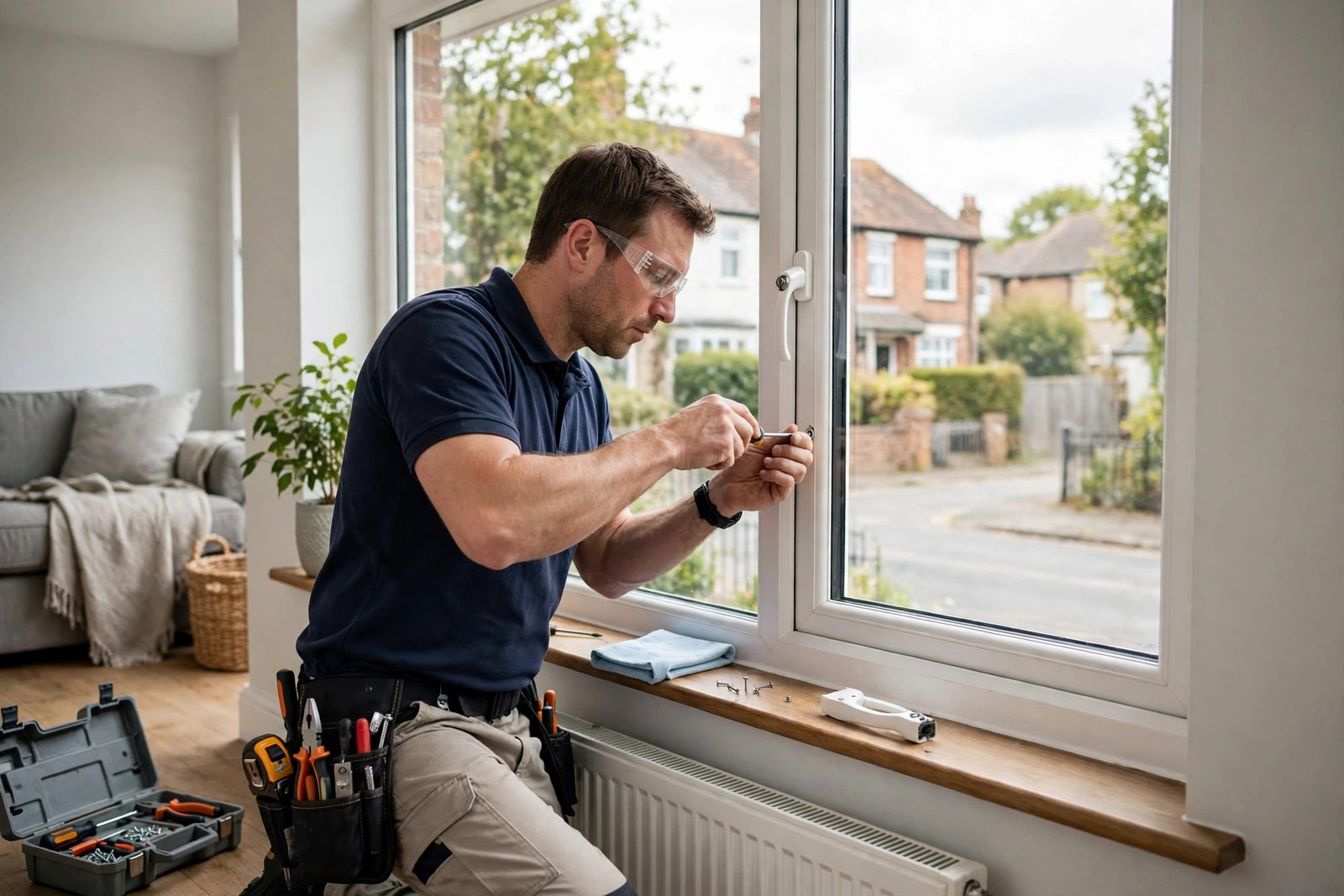
A window that will not close properly, a pane that stays misted no matter the weather, or a handle that turns without catching can turn an ordinary room into a draughty, noisy and less secure space. When that happens, many homeowners start with the same search: double glazing repairs near me. It is a practical starting point, because a local repair specialist can usually visit, diagnose the fault in person and return if the same problem comes back.
A repair is not always the right answer, and a replacement is not always necessary either. The best outcome depends on the fault itself, the condition of the frame and the sealed unit, and the quality of the firm doing the work. This guide explains the most common double glazing faults, how to tell repair from replacement, how to vet a local repair firm, what a good repair visit should look like, and what to check before the specialist leaves your home.
Common Double Glazing Faults and What Causes Them
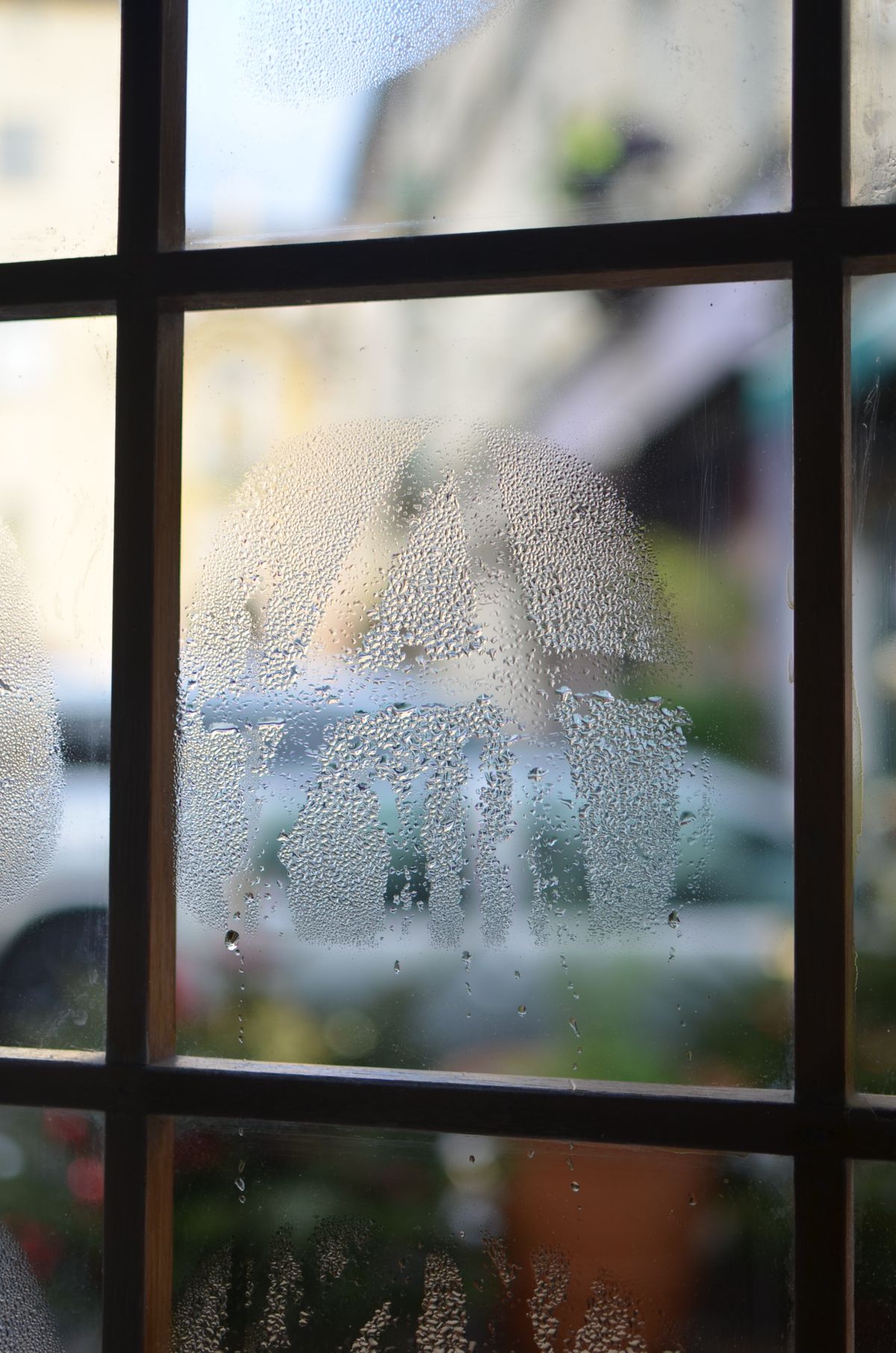
Misted or fogged glass is one of the most recognisable double glazing problems. When condensation appears between the panes and does not clear, it usually means the seal around the sealed unit has failed and moisture has entered the gap. This is different from condensation on the inside surface of the glass, which often points to humidity in the room rather than a fault in the window itself. A failed sealed unit can normally be replaced without replacing the whole frame, which is why an accurate diagnosis matters before any work is agreed.
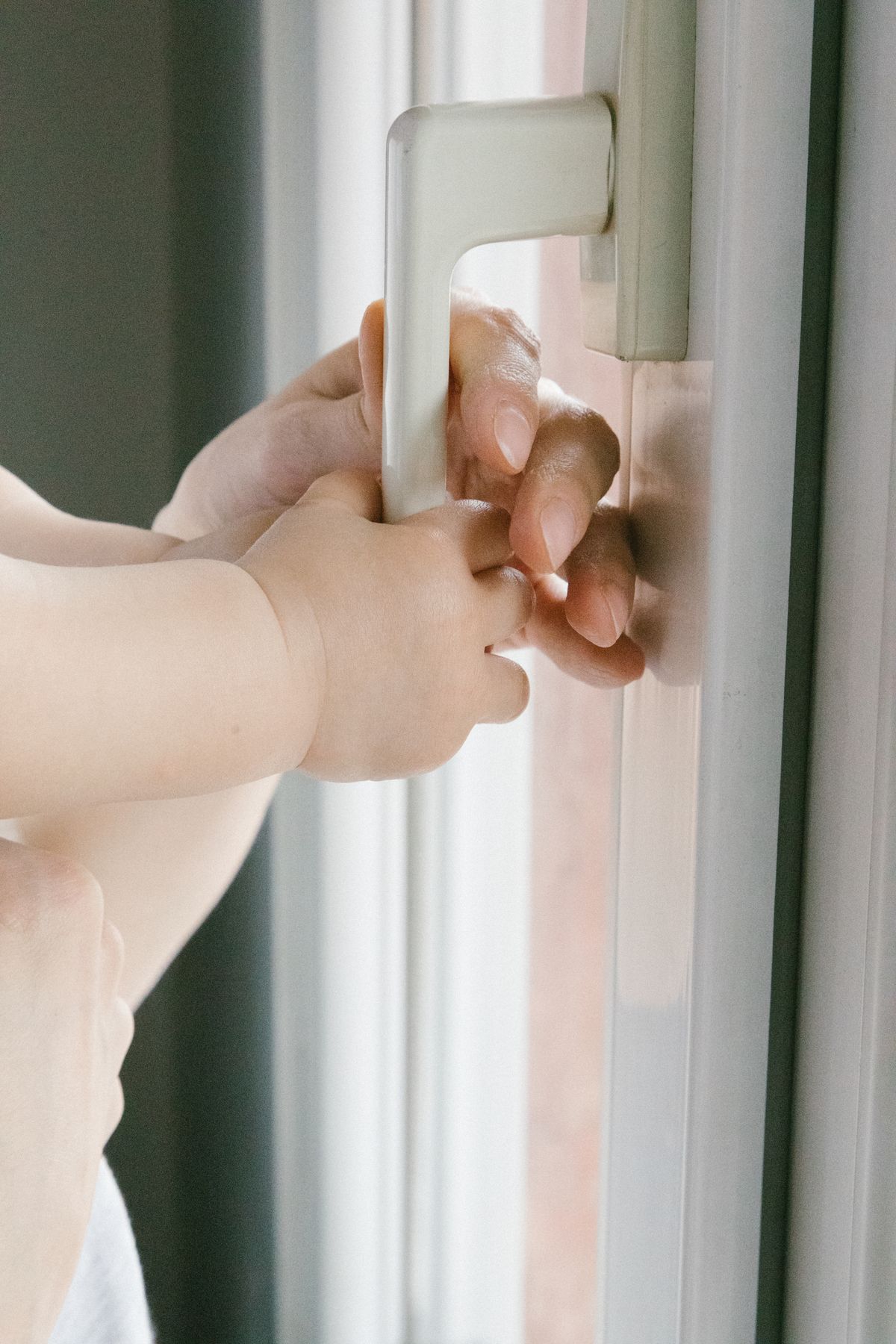
Broken handles, hinges and locks are another frequent cause of repair calls. Handles can wear, snap or spin freely, hinges can stiffen, sag or seize, and locks can jam or fail to engage fully. These parts carry daily use, bear the weight of the sash and are exposed to changes in temperature, so wear over time is expected rather than unusual. In many cases the faulty part can be replaced on its own, provided a matching part is available for the window system fitted in your home.
Draughts are a further common complaint, and they do not always come from the same place. Worn or compressed gaskets and seals around the sash can let cold air in, a sash that has dropped out of alignment can leave a gap along one edge, and gaps around the frame itself can point to a fitting or sealing problem. A dropped sash often shows itself as a window that is harder to close, catches on the frame, or locks only when it is lifted or pushed into position. Finding the source of the draught before ordering parts saves repeat visits and unnecessary work.
Other faults are easier to overlook until they become a nuisance. A window that sticks, rattles in the wind, lets in rain around the seal, or will not stay open may have a hinge, balance or seal problem rather than a structural one. Trickle vents can become blocked or damaged, drainage channels can clog, and older gaskets can shrink or harden. Describing exactly when the problem happens, which window is affected and what you have already tried helps a repair specialist bring the right parts and give a more useful first assessment.
Repair or Replacement: How to Decide
The first question to ask is whether the fault is confined to one part of the window or whether it affects the window as a whole. A single failed sealed unit, a broken handle or a worn hinge is usually a repair job, because the frame and the rest of the window may still be in good condition. A frame that is warped, cracked, rotten or badly distorted, or a window where several parts have failed at once, may be a different matter, and a reputable specialist should explain why rather than simply pushing the more expensive option.
Age and condition also matter. A relatively modern window with one failed part is very different from an older window where the seals, hinges and locks are all wearing out together. Replacing one part on a window that is generally failing can bring short-term relief while leaving further faults to appear soon afterwards. In that situation, comparing the cost and disruption of repeated repairs with the longer-term benefit of a new window is sensible, and an honest specialist will talk through both routes without pressure.
Energy performance and security deserve a place in the decision too. A repaired window should close tightly, lock securely and sit squarely in its frame. If it cannot be brought back to that standard, or if the frame itself no longer supports a reliable seal, repair may not restore the comfort and security you expect. This is where the comparison with full replacement becomes relevant, and reading about finding a trusted local installer for new windows can help you judge what a replacement would involve before you commit to either route.
Be cautious of any firm that recommends full replacement without inspecting the window, or that recommends repair without explaining what is actually wrong. A clear diagnosis, given in plain language, should come first: which part has failed, why it has failed, what the repair involves, and what result you should expect afterwards. If that explanation is missing, get a second opinion before agreeing to work.
How to Search for Double Glazing Repairs Near Me
A genuinely local repair service has practical advantages. It can attend sooner, it knows the window systems commonly fitted in your area, and it can return for an adjustment if a hinge settles or a lock needs fine-tuning after the repair. When you contact a firm, ask which areas it covers, how soon it can visit for a diagnosis, and whether the person who diagnoses the fault is the person who will carry out the repair. A firm that cannot answer those basics is giving you useful information, even if it is not the answer you hoped for.
Look for evidence beyond a polished website or a paid listing. Independent reviews, recommendations from neighbours and examples of completed repair work all help, but the most useful evidence is often the conversation itself. Does the firm ask which window is affected, what the fault looks like and how long it has been happening? Does it explain whether parts may need to be ordered before the visit? A specialist who asks good questions before arriving is more likely to fix the problem in one visit than one who turns up without knowing what to expect.
Specialisation matters as well. Some firms focus mainly on new installations and treat repairs as an afterthought, while others specialise in repairs and carry a wide range of hinges, handles, locks and gaskets. If your windows are an older system, a particular brand or a less common style such as a sash or tilt-and-turn window, say so when you first make contact. Matching the firm to the window type avoids wasted visits and increases the chance that the right part is available.
How to Vet a Local Repair Firm
Start with a written description of the work before anything is agreed. A good repair quote should name the fault, the part or parts to be replaced, whether the sealed unit or the whole window is involved, and what is included in the visit. It should also state what happens if the first diagnosis proves incomplete, for example if removing a unit reveals further damage to the frame. Vague wording such as a promise to sort the window, without saying how, makes it hard to judge whether the work done matches the work promised.
Guarantees should be discussed in the same straightforward way. Ask what the guarantee covers, how long it lasts, whether it covers parts, labour or both, and what to do if the same fault returns. Get the guarantee in writing, and check whether it is provided by the firm itself or backed by an insurer, because a guarantee is only useful if it can still be honoured when you need it. A firm that is reluctant to put its guarantee in writing is telling you something important about its aftercare.
Payment terms deserve equal care. Be cautious of a large payment demanded before any work has been done, and of pressure to decide on the spot. A reasonable arrangement is usually payment once the repair is complete and checked, with any deposit for specially ordered parts explained in advance. Keep a copy of the quote, any written guarantee and the receipt, and note the date the work was done, so that a later problem can be described accurately and dealt with under the guarantee.
Finally, check how the firm handles problems. Ask who to contact if the window still draughts after the repair, if a new handle feels stiff, or if misting returns to a replaced unit. A firm with a clear aftercare route, a named contact and a sensible approach to return visits is a safer choice than one that is difficult to reach once the invoice has been paid. This matters for repairs more than for many other home jobs, because a small adjustment after the work is common and should not become a dispute.

What a Good Repair Visit Should Look Like
A good repair visit begins with inspection, not with parts. The specialist should examine the window, test how it opens, closes and locks, check the seals and hinges, and look at the frame and the surrounding sealant. If a sealed unit has failed, the specialist should confirm whether the frame can accept a replacement unit and whether the glazing beads and gaskets are in good enough condition to be refitted cleanly. Rushing straight to a replacement part without this inspection risks missing the underlying cause.
Tidiness and care for your home are part of the job, not an optional extra. Floors near the window should be protected, glass should be handled safely, and old parts and packaging should be removed at the end of the visit. If the repair involves removing a sealed unit, the opening should not be left exposed for longer than necessary, and the specialist should explain any temporary arrangement if a part has to be ordered and fitted on a later visit.
Communication during the visit matters just as much. If the diagnosis changes once the window is opened up, the specialist should show you what has been found and agree any change to the work or the price before going ahead. Unexpected findings do happen, especially with older windows, but they should be explained and agreed, not discovered later on an invoice. A repair that is explained as it happens is also easier for you to check afterwards.
What to Check After the Repair
Before the specialist leaves, test the window yourself rather than taking a demonstration at face value. Open and close it fully, engage and release the lock, and check that the handle moves smoothly without forcing. Look along the edges of the sash for even gaps, and check that the window sits squarely in the frame without catching. If the repair involved a hinge or a dropped sash, test the window from both inside and outside where it is safe to do so, and raise any stiffness or misalignment while the specialist is still there.
Check the seals and the finish as well. Gaskets should sit evenly without gaps or twists, sealant should be neat where it has been renewed, and there should be no damage to the frame, glass or surrounding plaster from the work. For a replaced sealed unit, look at the glass in daylight for marks, scratches or trapped debris, and confirm that the unit is the correct size and style for the opening. Small cosmetic issues are far easier to resolve on the day than after the specialist has left.
Finally, confirm the paperwork before the visit ends. You should leave with a clear record of what was repaired, which parts were fitted, what the guarantee covers, and who to contact if a problem returns. Keep this record with your other home documents, and note the date the misting, draught or faulty handle first appeared if you have not already done so. That note makes any future guarantee claim much easier to explain, and it helps a different specialist understand the history of the window if you ever need further work.
Repairs as Part of Wider Home Improvements
Window repairs often sit alongside other home improvement work, and it is worth thinking about the order in which jobs are done. A room that is being redecorated, for example, benefits from having draughty or faulty windows repaired first, so that new paintwork and finishes are not disturbed by a later visit. Similarly, if damp, condensation or ventilation is part of the problem, sorting the windows before redecorating helps you judge whether the room itself feels different once the repair is complete.
The same planning applies when a repair is part of a larger project. If you are updating a kitchen or another heavily used room, faulty windows in that space affect comfort, ventilation and security throughout the work, so bringing the repair forward can make the rest of the project more pleasant to live through. Homeowners planning that kind of wider update sometimes look at ideas for fitted kitchens alongside window repairs, and coordinating the two means the room is finished once, rather than revisited for separate trades in quick succession.
Common Mistakes to Avoid
- Accepting a diagnosis without an inspection: A fault described over the phone alone may not be the fault found on site.
- Choosing on speed alone: The fastest available visit is not always the firm with the right parts or experience.
- Agreeing to replacement without a reason: Ask why repair will not work before accepting a whole new window.
- Skipping the written guarantee: Verbal promises are hard to rely on if the same fault returns.
- Paying in full before checking the work: Test the window, seals and lock before the specialist leaves.
- Ignoring ventilation: Sealing every gap without considering trickle vents can increase condensation elsewhere.
- Forgetting the paperwork: Keep the quote, guarantee and receipt for any future claim or further repair.
Frequently Asked Questions
Can a misted double glazed unit be repaired?
In most cases the sealed unit itself is replaced rather than repaired, while the existing frame is kept. This is a common and well-established repair, provided the frame and glazing beads are in good condition. A specialist should confirm this after inspecting the window, rather than promising a result before seeing it.
Is it worth repairing an old window, or should it be replaced?
It depends on the condition of the whole window. A single worn part on an otherwise sound window is usually worth repairing. A window where the frame is distorted, several parts have failed, or a reliable seal can no longer be achieved may be better replaced. A clear diagnosis, with both options explained, is the best basis for that decision.
Why does my window still draught after a seal was replaced?
A draught can come from more than one source, so replacing a single gasket may not solve it if the sash has dropped, a hinge is worn, or the gap is around the frame rather than the sash. If a draught remains after a repair, contact the firm promptly, describe where the air is coming from, and ask for the window to be rechecked under the guarantee.
What should I do if a repair firm cannot find a matching part?
Ask whether a compatible part is available, whether the part can be ordered, and how long that will take. Older or less common window systems sometimes need parts to be sourced specially, and a repair specialist should be honest about availability and timescales rather than fitting a part that does not suit the window.
How can I tell whether a lock repair has restored security?
Test the lock yourself before the specialist leaves, check that it engages fully without forcing the handle, and confirm that the window cannot be opened from outside when locked. If anything feels loose, stiff or uncertain, raise it on the spot and ask for the lock to be adjusted or rechecked.
Conclusion
Searching for double glazing repairs near me is only the first step. The best result comes from describing the fault clearly, choosing a local firm that inspects before it quotes, getting the diagnosis and the guarantee in writing, and testing the window thoroughly before the specialist leaves. A well-judged repair restores warmth, quiet and security without the disruption of a full replacement, while an honest conversation about replacement protects you when repair alone will not do the job. Take time over the choice of firm, keep the paperwork, and judge the work not by how quickly it was done but by how well the window opens, closes, locks and seals once the specialist has gone.