
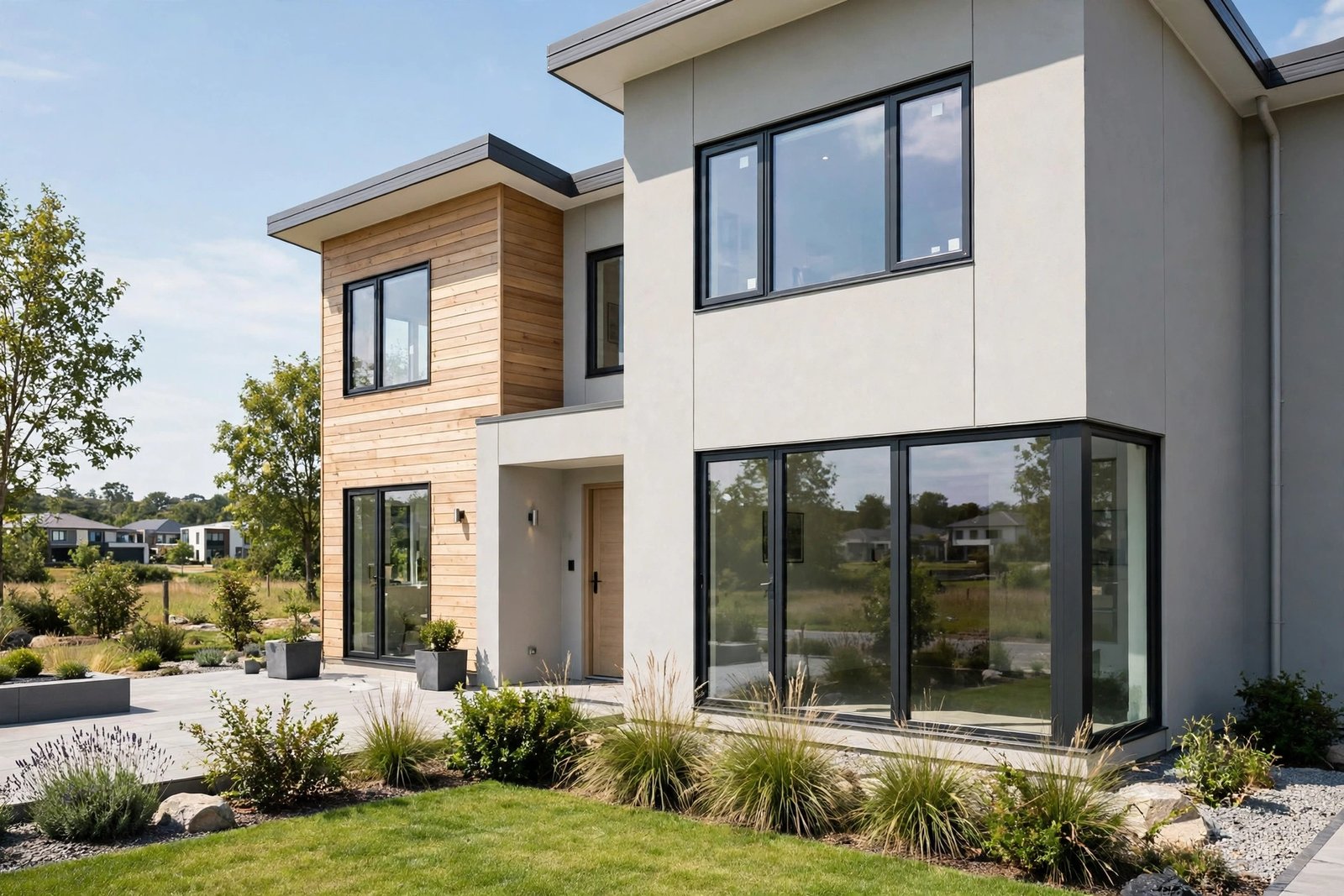
When draughts creep in, condensation fogs the glass every morning, or traffic noise seems louder than it used to, many homeowners start with the same search: double glazing near me. It is a sensible starting point. Windows are a long-term purchase, fitting quality matters as much as the product itself, and a local installer can visit, measure, and come back quickly if anything needs attention afterwards.
But “near me” alone does not guarantee a good result. Two local firms can quote for the same windows and offer very different frames, glass, guarantees, and standards of fitting. This guide explains what double glazing actually does, how to search locally with purpose, how to compare installers fairly, and which questions to ask before you sign anything.
What Double Glazing Actually Does
Double glazing means a window unit made of two panes of glass separated by a sealed gap, usually filled with air or an insulating gas. That gap slows heat escaping from your home, which is why double glazed windows generally feel warmer to sit beside than old single-glazed windows. The sealed unit also reduces condensation on the inside pane in many homes, because the inner glass stays closer to room temperature.
Noise reduction is a second benefit, although it is worth having realistic expectations. Double glazing usually softens everyday sounds such as traffic and neighbours, but it does not make a home silent. Homes on very busy roads sometimes need additional measures, such as acoustic glass or secondary glazing, and a good installer should say so honestly rather than promise total quiet.
Security is a third factor. Modern double glazed windows typically come with multi-point locking, stronger frames, and internally beaded glass, which means the glazing cannot easily be removed from outside. If security is a priority for ground-floor rooms or a home that is empty during the day, ask specifically about locks, hinges, and whether the product meets recognised security standards.
How to Search for Double Glazing Near Me
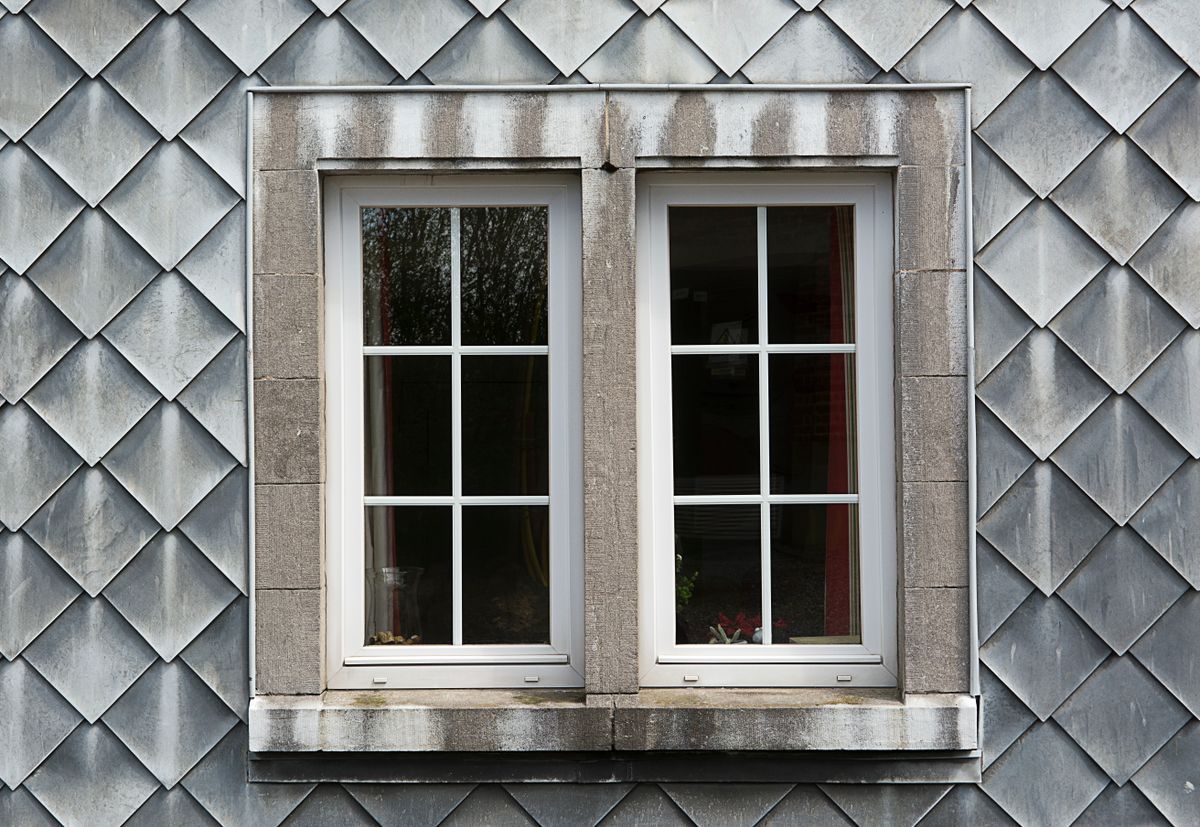
Start by narrowing the search to firms that genuinely serve your area, rather than national call centres that pass work to subcontractors far from home. A local firm should be able to tell you which towns it covers, how quickly it can attend for measuring, and who you call if there is a problem after fitting. If a company cannot answer those basics, that is useful information in itself.
Next, look for evidence beyond a polished website. Check independent review platforms, ask neighbours who have had windows fitted recently, and look at completed work in your area if a firm offers local examples. Photos of finished installations are helpful, but a short conversation with a previous customer, or a visit to see work in person, tells you far more about tidiness, punctuality, and aftercare.
Finally, search with specifics once you know what you want. Instead of only searching for a general term, try your window style, frame material, or property type alongside your location. A firm that specialises in sash windows for period homes may be a better fit for a Victorian terrace than a firm that mainly fits standard casements in new-build estates, and vice versa.
Which Window Types Suit Your Home
The most common frame material in the UK is uPVC. It is low maintenance, does not need painting, and suits a wide range of homes and budgets. Aluminium frames are slimmer, which allows more glass and a more contemporary look, and they are often chosen for larger openings, bifold doors, and modern extensions. Timber frames suit period properties and conservation areas, but they need more maintenance and usually sit at the higher end of the range in terms of upkeep rather than price alone.
Style matters too. Casement windows, which open outwards on side hinges, are the most common and the most versatile. Sash windows slide vertically and suit older properties, although modern sash designs can now offer much better insulation than the original timber sashes they replace. Tilt-and-turn windows open inwards in two ways, which makes cleaning upper floors easier and ventilation more flexible. Bay and bow windows need particular care at the measuring stage, because the angles and structural support must be right.
Glass choice also deserves attention. Low-emissivity coatings reflect heat back into the room, tinted or solar-control glass can reduce overheating in sunny rooms, and obscure glass gives privacy in bathrooms without blocking daylight. Ask the installer to explain the glass specification in plain language, including the energy rating of the whole window, not just the glass alone.
How to Compare Local Installers
Always get at least three detailed quotes, and compare them like with like. A quote should list the frame material, the glass specification, the window style and size for each opening, the hardware and locks, the finish and colour, and whether items such as trickle vents, cills, and disposal of old windows are included. If one quote is vague while another is itemised, the vague one is harder to trust, even if the headline figure looks attractive.
Accreditation is worth checking. In England and Wales, installers registered with a competent person scheme can self-certify that the work complies with building regulations, which matters when you later sell the property. Ask which scheme the firm belongs to, and check its registration independently rather than taking a logo on a van at face value. Insurance-backed guarantees are also worth asking about, because a guarantee is only useful if the firm is still trading when you need it.
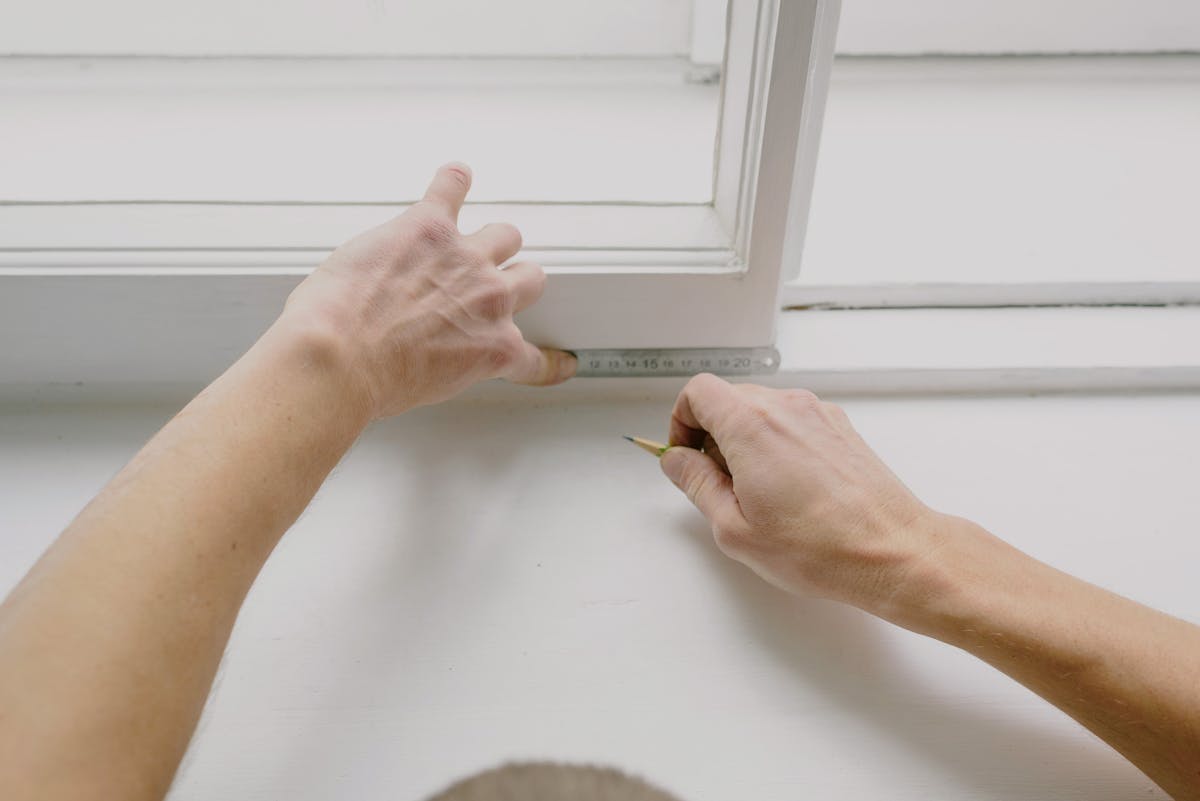
Pay attention to how the survey is done. A thorough surveyor measures every opening, checks the condition of the brickwork and lintels, notes any access problems, and asks about your priorities for warmth, noise, security, and appearance. A rushed survey that produces a quote in minutes is a warning sign, especially for older properties where openings are rarely perfectly square.
What Affects the Cost
No responsible guide can give a single figure for double glazing, because the cost depends on so many factors. The number of windows is the obvious one, but size, shape, frame material, glass specification, colour, and hardware all change the picture. A small standard casement and a large bespoke bay window are not comparable jobs, and treating them as if they were is how misleading comparisons happen.
Your property itself also affects the work. Ground-floor windows with easy access are simpler to fit than upper-floor windows over a conservatory, or windows in a listed building where planning conditions apply. Scaffolding, parking restrictions, and the need to protect floors and furnishings all add time, and time is a genuine part of a fair quote. If a quote seems surprisingly low, ask what has been left out rather than assuming you have found a bargain.
Finally, consider the long-term value rather than the upfront figure alone. Better insulation can reduce heating demand over the life of the windows, good fitting avoids draughts and remedial work, and a transferable guarantee can matter to a future buyer. The cheapest option is not always the best value if it needs attention within a few years.
Questions to Ask Before You Sign
- What exactly is included? Frames, glass, hardware, cills, vents, finishing trims, and disposal of old windows.
- Who will fit the windows? The firm’s own team or subcontractors, and who supervises the work.
- What guarantee covers the frames, the glass units, and the installation? And is it insurance-backed?
- How are building regulations handled? Which competent person scheme applies, and what certificate will you receive?
- What happens if a sealed unit mists up? How quickly will it be replaced, and is there a charge?
- What deposit is required, and when is the balance due? Be cautious of firms demanding a large payment before work starts.
- How long will the work take, and how will the home be protected? Dust sheets, tidiness, and daily clean-up should be agreed in advance.
Installation Day: What to Expect
A good installation team starts by protecting floors and nearby furniture, then removes one window at a time so your home is never left open to the weather. Old frames are taken away, the opening is checked and cleaned, and the new window is fitted, levelled, sealed, and adjusted. Each window should open and close smoothly, lock securely, and sit neatly in its opening before the team moves on.
Expect some dust and disruption, especially if internal plaster or trims need attention, but a professional team cleans up as it goes and explains anything unexpected straight away. Rotten timber, damaged lintels, or openings that are out of square sometimes only become visible once the old window is out. Ask the team to show you the issue and agree the remedy before extra work goes ahead.
Before the team leaves, walk around every window together. Test every opener, lock, and handle. Check the seals, the external finish, and the trickle vents. Make sure you understand how to operate tilt-and-turn mechanisms or sash balances if they are new to you, and ask for the guarantee paperwork and building regulations certificate to be sent promptly.
Aftercare and Maintenance
Double glazed windows need little maintenance, but a small routine keeps them working well. Clean the frames with warm soapy water, keep drainage channels clear, and lubricate hinges and locks occasionally according to the manufacturer’s guidance. Avoid abrasive cleaners on coloured or woodgrain finishes, which can dull the surface over time.
Watch for the early signs of a failed sealed unit: persistent misting or condensation between the panes that does not clear. This usually means the seal has broken, and the unit, rather than the whole window, can normally be replaced. Report it under guarantee as soon as you notice it, and keep a note of when it first appeared.
Condensation on the inside of the glass in winter is a different matter, and it often points to humidity in the home rather than a window fault. Cooking, showering, and drying clothes indoors all add moisture to the air. Using trickle vents, opening windows briefly for ventilation, and using extractor fans can all help, and a good installer should explain this rather than simply blaming the windows.
Common Mistakes to Avoid
- Choosing on headline figure alone: Compare itemised specifications, not just totals.
- Skipping accreditation checks: Registration and guarantees protect you when things go wrong.
- Ignoring ventilation: Airtight windows without vents can increase condensation problems.
- Forgetting about planning rules: Listed buildings and conservation areas may restrict changes.
- Paying a large deposit upfront: Staged payments tied to work completed are safer.
- Accepting verbal promises: Get guarantees, specifications, and timescales in writing.
Frequently Asked Questions
Is double glazing worth it for an older home?
In most cases, yes, particularly if the existing windows are single-glazed, draughty, or hard to close. The benefit is greatest where the rest of the home is reasonably insulated, because heat will otherwise escape through walls and roofs. For period properties, discuss sympathetic styles and any planning constraints with the installer first.
How long does fitting usually take?
It depends on the number of windows and their complexity. A small number of standard windows may be completed in a day, while a whole house or a property with bay windows can take several days. Your installer should give a realistic timescale after the survey, not a guess before measuring.
Can I replace windows one room at a time?
Yes. Many homeowners phase the work, starting with the coldest rooms or the front of the house. Phasing can spread disruption and allow you to judge the firm’s work before committing to the rest of the property, although doing the whole house at once is usually more efficient for the installer.
What should I do if a quote seems too good to be true?
Ask for the full specification in writing and compare it line by line with other quotes. Check whether disposal, vents, cills, and guarantees are included, and verify the firm’s accreditation independently. A genuinely competitive quote survives those checks; a misleading one usually does not.
Conclusion
Searching for double glazing near me is the right first step, but the best result comes from what you do next: comparing itemised quotes, checking accreditation, asking direct questions about guarantees and fitting, and choosing a local firm you trust to return if anything needs attention. Take time over the survey, get everything in writing, and judge the job on warmth, quiet, security, and finish once it is done. Chosen well, double glazing is a quiet, everyday improvement that pays back in comfort for years, not just a purchase you notice on the day it is fitted.