Fire safety is a critical responsibility for businesses, landlords, and property managers. Fires can cause serious injuries, loss of life, and extensive property damage if proper safety measures are not in place. This is why conducting a Fire Risk Assessment is an important step in protecting buildings and the people inside them.
A fire safety assessment helps identify potential fire hazards, evaluate risks, and ensure that preventive measures are in place. Businesses that follow fire safety regulations and maintain regular inspections reduce the chances of fire incidents and improve overall safety. Understanding the importance of fire risk assessments allows organizations to create safer environments while complying with legal requirements.
Understanding Fire Risk Assessment
A Fire Risk Assessment is a structured process used to examine a building or workplace for possible fire hazards. The purpose is to determine the likelihood of a fire occurring and identify the steps needed to prevent it.
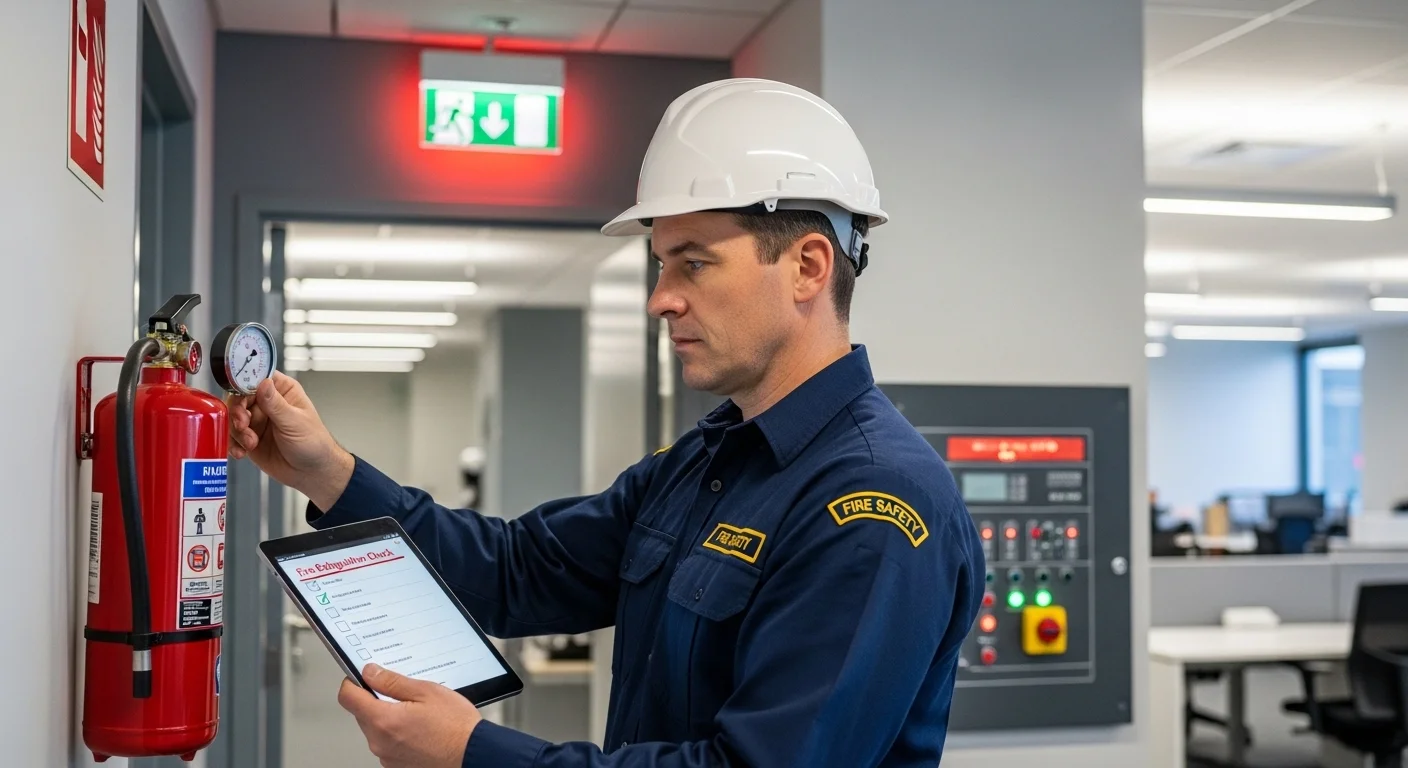
During the inspection, safety professionals analyze different areas of the building, including electrical systems, storage spaces for flammable materials, and emergency exit routes. They also review the effectiveness of fire alarm systems, fire extinguishers, and evacuation procedures.
These assessments are not only important for large businesses. Small offices, rental properties, and commercial facilities also need proper fire safety planning to ensure that people remain safe in case of an emergency.
Importance of Fire Risk Assessments
Conducting regular safety inspections plays a major role in preventing fire-related accidents. When businesses identify fire hazards early, they can take immediate action to reduce risks and improve safety conditions.
One major benefit of fire safety assessments is the protection of human life. Employees, customers, and residents depend on building owners to provide safe environments. By maintaining fire detection systems, emergency lighting, and evacuation plans, organizations can respond quickly if a fire occurs.
Another important advantage is protecting valuable assets. Fires can destroy buildings, equipment, and inventory. Proper fire safety management reduces the possibility of major losses and ensures business continuity.
In addition, fire safety inspections help organizations comply with government safety regulations and avoid legal penalties.
Fire Safety Regulations and Legal Responsibilities
Fire safety laws require businesses and property owners to maintain safe buildings and manage fire risks effectively. Many countries enforce strict safety regulations to protect people and property from fire hazards.
Under these regulations, a responsible person must ensure that fire safety measures are properly implemented. This individual may be a business owner, employer, landlord, or facility manager.
Legal requirements typically include installing fire alarm systems, maintaining fire extinguishers, ensuring clear emergency exits, and providing proper fire safety training to employees. Businesses are also required to keep records of safety inspections and update their fire safety procedures when necessary.
Failure to follow these regulations can lead to serious consequences such as fines, legal action, or closure of the business.
Who Should Conduct a Fire Risk Assessment
In most cases, the responsibility for safety inspections belongs to the person in control of the building. This could be an employer, building owner, or property manager.
Although the responsible person may perform the inspection themselves, many organizations prefer hiring professional fire risk assessors. These experts have specialized knowledge of fire safety legislation and building safety requirements.
Professional assessors are trained to identify hidden hazards that may not be obvious during a basic inspection. They also provide detailed reports with recommendations for improving fire safety measures.
For businesses that want to ensure full compliance with fire safety regulations, hiring a qualified assessor can be a valuable investment.
Key Steps in Conducting a Fire Risk Assessment
Understanding the process of conducting a fire safety inspection helps organizations maintain safer workplaces. The process usually follows a series of important steps.
Identifying Fire Hazards
The first step involves locating potential sources of fire. These hazards may include faulty wiring, overloaded electrical circuits, heating equipment, or flammable materials.
Identifying People at Risk
Next, assessors determine who might be at risk if a fire occurs. This includes employees, visitors, customers, and individuals who may require assistance during evacuation.
Evaluating Risks and Safety Measures
Once hazards and vulnerable individuals are identified, the next step is evaluating the level of risk. Safety measures such as fire alarms, smoke detectors, and proper ventilation help reduce these risks.
Recording Findings
All findings must be documented in a fire risk assessment report. This document outlines identified hazards, existing safety systems, and recommended improvements.
Reviewing the Assessment
Fire safety conditions can change over time, which is why assessments should be reviewed regularly. Updating safety procedures ensures that buildings remain compliant with fire safety standards.
Fire Risk Assessment Checklist
A detailed checklist helps ensure that every aspect of building safety is properly evaluated. Safety inspections usually include checking fire detection systems, fire alarm systems, and emergency lighting.
Inspectors also review fire extinguishers to ensure they are correctly placed and maintained. Emergency exit routes must remain clear and clearly marked to allow safe evacuation during emergencies.
Another important element is examining evacuation plans and ensuring that employees understand emergency procedures. Fire safety training sessions and regular drills can significantly improve emergency preparedness.
Common Fire Hazards in Workplaces
Workplaces often contain several hazards that can increase the risk of fire. Electrical problems are among the most common causes. Damaged wiring, overloaded outlets, and poorly maintained equipment can easily lead to fires.
Flammable materials such as chemicals, fuels, and paper products also increase fire risk if they are not stored properly. Poor housekeeping practices, including cluttered storage areas and blocked emergency exits, may also contribute to dangerous situations.
By identifying these hazards early, businesses can implement effective fire prevention strategies that reduce the likelihood of accidents.
Fire Risk Assessment for Businesses and Commercial Properties
Commercial buildings face unique fire safety challenges because they often contain many occupants and complex equipment systems. Offices must ensure that evacuation procedures are clear and that employees are aware of emergency protocols.
Retail stores require safe storage for flammable products and must maintain accessible emergency exits for customers and staff. Warehouses often contain large quantities of materials, making fire detection systems and fire suppression equipment essential.
Regular inspections and proper fire safety management help organizations maintain safe environments and reduce operational risks.
When Fire Risk Assessments Should Be Reviewed
Fire safety inspections should not be considered a one-time task. Experts recommend reviewing the assessment at least once each year to ensure that safety measures remain effective.
However, assessments should also be updated whenever significant changes occur within the building. Examples include renovations, installation of new equipment, or changes in building occupancy.
Regular reviews help identify new hazards and ensure that safety procedures continue to meet current regulations.
Benefits of Modern Fire Safety Technology
Advancements in technology have improved the way organizations manage fire safety. Modern fire detection systems can quickly identify smoke or heat and send alerts to building occupants.
Digital inspection tools also allow safety professionals to record findings, generate reports, and monitor safety compliance more efficiently. Some advanced systems even use artificial intelligence to detect potential fire hazards before incidents occur.
These technologies help businesses strengthen fire safety management and maintain higher levels of protection.
Advantages of Hiring Fire Safety Professionals
Hiring experienced safety professionals can significantly improve the quality of fire safety inspections. Professional assessors have the knowledge and training required to evaluate buildings thoroughly.
They can identify risks that may be overlooked during basic inspections and provide detailed recommendations for improving safety systems. Their reports also help businesses demonstrate compliance with fire safety regulations during official inspections.
For many organizations, professional assessments provide peace of mind and ensure that fire safety procedures meet industry standards.
Conclusion
Fire safety is a fundamental part of responsible property management and business operations. Conducting a proper Fire Risk Assessment helps organizations identify hazards, implement preventive measures, and maintain compliance with safety regulations.
Regular inspections, proper safety equipment, and clear evacuation procedures can significantly reduce the risk of fire-related incidents. By prioritizing fire safety and maintaining effective prevention strategies, businesses and property owners can protect lives, safeguard assets, and create safer environments for everyone.